The job offer letter closes the deal. The welcome letter opens the relationship. One is transactional: here's what we'll pay you, here's when you start, sign here. The other is relational: we're excited you're joining us, here's what to expect, here's how we'll support you. A welcome letter bridges the gap between offer acceptance and start date, typically sent 1-2 weeks before the first day. This timing is deliberate: early enough that the letter doesn't feel like an afterthought, but close enough that details remain top-of-mind.
The letter serves multiple purposes: it confirms important first-day details, reduces new employee anxiety, demonstrates organizational competence, begins cultural integration, and provides practical information that makes day one smoother. An effective welcome letter makes new hires feel valued before they've contributed any labor.
Essential Components of Every Welcome Letter
Every welcome letter should include these fundamental elements, regardless of industry or role:
Opening enthusiasm: Start with genuine excitement about the person joining your team. Be specific about why you're pleased they're starting. "We're thrilled to have you joining our team" is generic. "We're excited to have you joining the kitchen team and can't wait to see what you do with our new seasonal menu" is personal.
First-day logistics: Specify exactly when and where to arrive, who to ask for, what door to use, and where to park. Eliminate any possible confusion about these basic details. New employees already feel anxious about their first day; don't add navigation stress to that anxiety.
What to bring: List required documents, clarify what the company provides versus what they need to bring, and note any special items specific to their role. A restaurant server needs to know whether you provide non-slip shoes or they need to bring their own. A retail associate needs to know whether to wear all black or you'll provide a uniform.
What to expect: Outline the first day's schedule generally without overwhelming detail. They'll meet the team, complete paperwork, begin training, etc. Managing expectations reduces anxiety.
Dress code: Be explicit. "Business casual" means different things to different people. "Black pants or skirt, white or black shirt, comfortable closed-toe shoes" leaves no ambiguity.
Contact information: Provide a direct phone number and email for someone, most likely their assigned onboarding buddy, that they can reach with questions. Make it clear they should actually use this contact if they need help.
What Makes a Welcome Letter Effective
The difference between an adequate welcome letter and an outstanding one comes down to tone, personalization, and usefulness.
Tone matters enormously. The letter is a chance for you to set a human tone, so don’t simply reuse an HR template. Use contractions and the person's preferred name. Write in an active voice. Avoid corporate jargon. The letter represents your company culture; make sure it sounds like your actual culture rather than a generic corporate entity.
Personalization doesn't require extensive customization. Reference something specific from their interview or application. If they mentioned they were excited about your company's community involvement, note that they'll learn more about volunteer opportunities during onboarding. If they expressed interest in career development, mention that you're looking forward to discussing their growth path.
Usefulness is underrated. The best welcome letters anticipate questions and answer them proactively. Where should they park? What should they do if they're running late? Should they eat beforehand? These practical details might seem minor, but they're exactly what new employees wonder about.
Sample Welcome Letter for Retail
Here's a complete welcome letter example for a new retail sales associate:
Dear Marcus,
Welcome to the Riverside Mall team! We're genuinely excited that you're joining us as a Sales Associate. Your enthusiasm during your interview and your customer service experience at Shaw’s Supermarket made it clear you'll be a great addition to our team.
Your First Day Details:
- Date: Monday, February 9, 2026
- Time: 9:00 AM (plan to arrive by 8:50 AM)
- Location: Enter through the employee entrance at the back of the store, near the loading dock. There are signs directing you to the employee entrance if you're not sure where to go.
- Parking: You can park in the employee lot behind the building. Look for spaces marked "Employee Parking." Your first few days, park anywhere in that section. After your first week, we'll assign you a specific space.
- Who to ask for: Ask any employee you see for Jamie Rodriguez, the Store Manager. If Jamie isn't available immediately, someone will help you get settled.
What to Bring:
- Valid photo ID and Social Security card (required for I-9 employment verification)
- Void check or deposit slip if you'd like to set up direct deposit
- A water bottle if you'd like; we have a break room with filtered water and a fridge
What to Wear:
For your first day, wear black pants (no jeans, leggings, or athletic pants) and any comfortable shirt. We'll provide your uniform shirts during your first day, and then you'll wear those for all future shifts. Closed-toe shoes are required for safety; most people find comfortable sneakers work best since you'll be on your feet most of the day.
What to Expect on Day One:
Your first day will run from 9:00 AM to 2:00 PM. Here's roughly what we'll cover:
- Complete new hire paperwork
- Store tour and introduction to the team
- Overview of our systems and where everything is located
- Shadow an experienced sales associate for a few hours
- Lunch break (we'll show you your break room and nearby food options)
- Begin learning our point-of-sale system
- Review your training schedule for your first two weeks
Important Policies to Know:
- Cell phones should stay in your locker during shifts, but you can check them during breaks
- We provide a 30-minute lunch break for shifts over 6 hours and one 15-minute paid break for every 4 hours worked
- If you're running late or need to call out, text or call Jamie directly at (555) 987-6543
Questions Before You Start?
If anything comes up between now and Monday, please don't hesitate to reach out. You can call or text Jamie at (555) 987-6543 or email at jamie.rodriguez@riversidestore.com. We're here to help.
We mentioned during your interview that our team is pretty close-knit, and we think you'll fit right in. Everyone's excited to meet you. See you Monday!
Best regards,
Ellen Smith, Store Manager Riverside Mall Store (555) 987-6543
Industry-Specific Adaptations
Welcome letters for different industries need slightly different emphases:
Restaurant and food service: Address uniform requirements clearly (many restaurants require specific shoes or have particular uniform standards), explain food handling and safety protocols briefly, mention whether they'll receive a meal during their shift, and clarify tip pooling policies if applicable.
Healthcare: Emphasize health screening or vaccination requirements, discuss badge and security access setup, explain parking and entrance procedures for secure facilities, and mention any specific certifications or licenses they need to bring.
Service industries: Clarify whether they'll travel to job sites or report to a central location, explain company vehicle policies if applicable, note any specific tools or equipment they need to bring, and discuss uniform or safety gear requirements.
Common Mistakes to Avoid
Information overload kills the effectiveness of welcome letters. Don't try to explain every policy, procedure, and expectation before they start. Hit the highlights and save the detailed policy review for their first day when they can ask questions in real time.
Generic welcome letters that could apply to anyone are worse than no letter at all. If your letter doesn't include the person's name, role, or any specific details about them or your business, start over.
Sending the letter too early or too late diminishes its impact. Two weeks before the start date is ideal. Four weeks feels premature. Three days feels rushed and suggests disorganization.
Inconsistency between the letter and reality damages trust immediately. If your welcome letter promises a smooth, well-organized first day but they arrive to chaos with nobody expecting them, you've made their experience worse by setting incorrect expectations.
Integration with Other Onboarding Materials
The welcome letter works in concert with other onboarding documents and processes. It references the welcome packet they'll receive on day one without trying to replace it. It confirms details from the job offer and sets the stage for their first-day without overwhelming them with information.
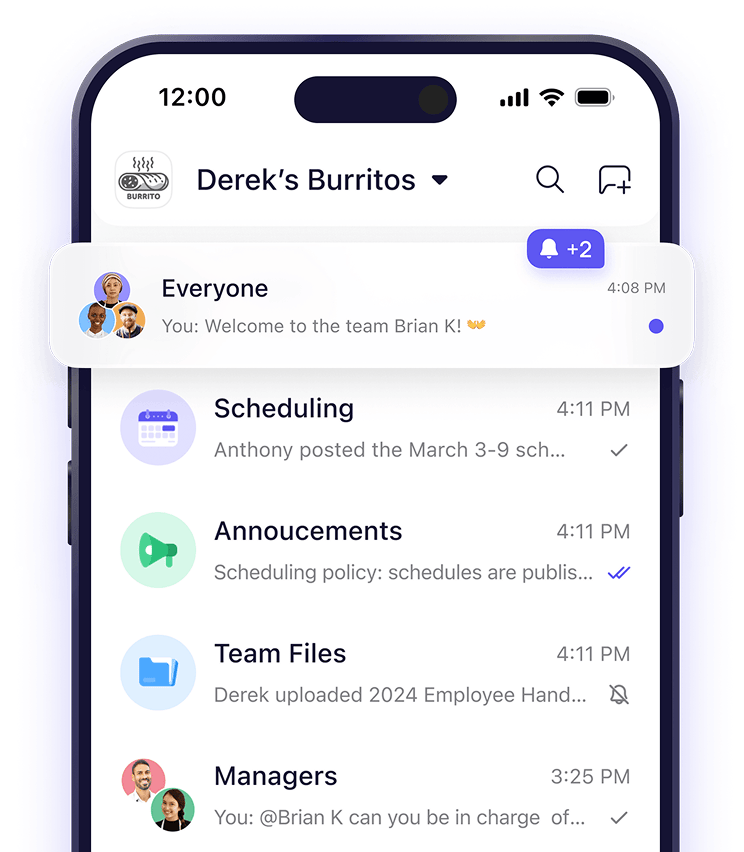
Making sure new employees can easily connect with their manager and see their schedule before they start extends the welcome letter's positive impact. The letter opens communication; having accessible systems maintains it.
Store the welcome letter template somewhere accessible to everyone who hires. If you have five location managers, they all need access to the same template with the ability to customize it for their specific location and role. Consistency in quality matters, even when specific details change. The welcome letter is a simple way for you to start the employment relationship on the strongest possible foundation.