
Shift coverage is one of the hardest parts of healthcare operations. When someone calls out two hours before their shift, the scramble begins. Phones buzz, texts fly, and managers try to plug the hole without leaving patients waiting or overworking staff.
The stakes are high. Poor shift coverage doesn't just create operational headaches. It leads to patient safety issues, staff burnout, and expensive mistakes that can cost hospitals millions.
The Real Cost of Shift Coverage Problems
Healthcare communication breakdowns have a measurable impact on patient safety and hospital budgets. According to CRICO Strategies research analyzing 23,000 medical malpractice claims, communication failures contributed to 30% of cases between 2009-2013, resulting in 1,744 deaths and $1.7 billion in malpractice costs.
The Joint Commission found that 80% of serious medical errors resulted from miscommunication between caregivers during patient handovers. When shift information doesn't transfer properly, critical details about patient conditions, medications, and treatment plans fall through the cracks.
Recent research shows that poor communication contributes to over 60% of all hospital adverse events in the United States, and one in ten patient safety incidents in hospitals stem from communication failures.
The Staffing Crisis Makes Shift Coverage Harder
The healthcare workforce shortage amplifies shift coverage challenges. According to the American Hospital Association, the United States faces a shortage of approximately 100,000 healthcare workers by 2028, with acute shortages in key roles:
- 73,000 nursing assistants shortage projected by 2028, with only 13 states expected to meet future demand
- 86,000 physician shortage estimated by 2036 according to the Association of American Medical Colleges
- 16.4% average RN turnover rate in 2024, with nearly 40% of nurses intending to leave by 2029
The shortage creates a vicious cycle. Healthcare leaders report that 81% of organizations experience care delays due to staffing shortages, and 92% report deterioration of staff well-being as a result of workforce pressures.
Healthcare labor shortages have driven a 52% increase in overtime hours compared to pre-pandemic levels, stretching already exhausted teams even thinner.
Last-Minute Coverage is the Daily Reality
The challenge isn't just filling regular shifts. Last-minute callouts create chaos for administrators and staff. When coverage depends on personal phone calls and group texts, shifts go unfilled or get covered by whoever responds fastest, not necessarily the most qualified person.
Two-thirds of nurses want more flexibility in their schedules, but outdated staffing systems force them into last-minute changes and exhausting shifts. This creates burnout, which leads to more callouts, which creates more coverage gaps.
The per diem healthcare staffing market is growing rapidly, with estimates of reaching $16.4 billion by 2033, driven largely by the need to fill unpredictable last-minute coverage needs.
Best Practices for Managing Shift Coverage
1. Unify Your Communication
Scattered communication across texts, emails, phone calls, and sticky notes guarantees information will be lost. When shift changes, patient updates, and coverage needs live in different places, critical details don't reach the right people.
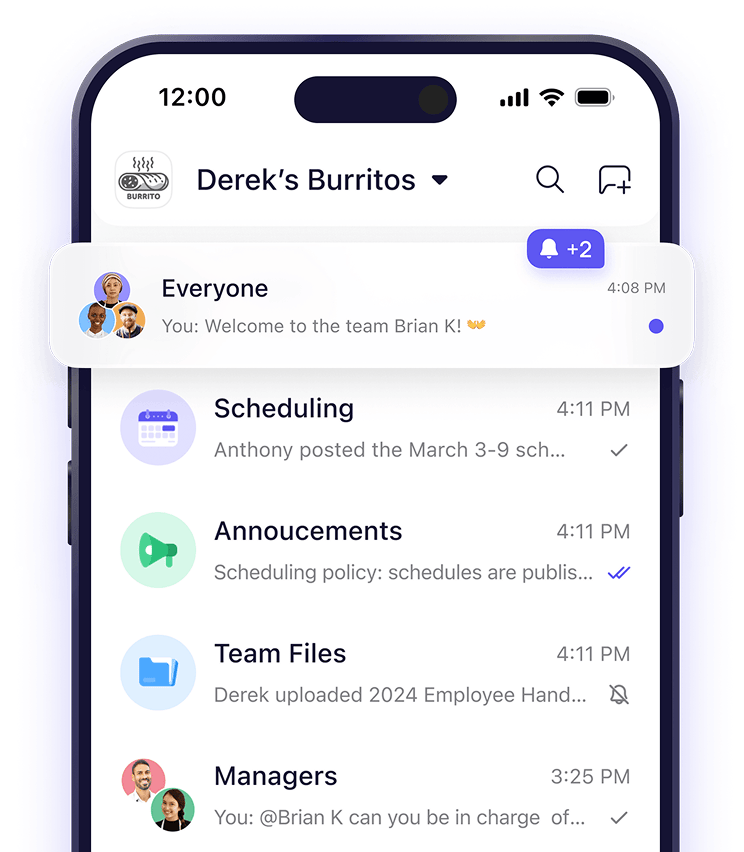
Centralize team communication in one platform where everyone can access schedules, announcements, and urgent updates. This eliminates the phone tree scramble when coverage is needed fast.
2. Make Schedules Visible and Accessible
Staff need to view their schedules anytime from their mobile devices. Real-time visibility prevents the "I didn't know I was scheduled" problem and lets team members see coverage gaps before they become emergencies.
Automated notifications when shifts are published or changed eliminate confusion and reduce no-shows. When everyone can see who's working when, shift swaps and coverage requests happen faster.
3. Build a Float Pool
Maintain a database of staff willing to take emergency shifts. Hospitals report that having dedicated float pools significantly reduces the scramble for last-minute coverage.
Offer incentives like shift differentials for emergency coverage. Staff who know they'll be compensated fairly for stepping up on short notice are more likely to respond when coverage is critically needed.
4. Enable Self-Scheduling and Shift Swaps
Empower staff to select their shifts and manage their availability. When nurses can view open shifts and claim them instantly through a mobile app, fulfillment rates improve and engagement increases.
Clear policies for shift swaps let staff solve their own coverage problems while keeping managers informed. Facilities using self-scheduling report reduced callouts and higher staff satisfaction.
5. Track Credentials in Real-Time
Scope-of-practice varies by state and payer. If credentials aren't tracked in real-time and tied to the schedule, you create last-minute coverage holes when staff can't legally perform required duties.
Integrate credential tracking with scheduling to ensure every shift has properly qualified staff. When certifications need renewal, automated alerts prevent compliance gaps that force last-minute schedule changes.
6. Plan for Predictable Patterns
Healthcare organizations using predictive analytics can anticipate patient demand spikes and staff accordingly. Track trends like seasonal volume increases, weekend patterns, and known events that affect patient loads.
One hospital serving an aging population noticed emergency visits spiked during heat waves. By planning coverage around weather patterns, they reduced patient wait times and prevented understaffing during predictable surges.
7. Implement Structured Handoffs
Research shows that 67% of communication errors occur during handoffs. Standardized handoff procedures reduce medical errors by nearly 30%.
Use frameworks like SBAR (Situation, Background, Assessment, Recommendation) to ensure critical patient information transfers consistently between shifts. When everyone follows the same structure, nothing gets lost in translation.
8. Monitor Overtime and Fatigue
Nurses working multiple back-to-back shifts become less attentive, increasing the likelihood of medication errors and misdiagnoses. Set clear policies around mandatory rest periods between shifts.
Real-time labor cost tracking helps identify excessive overtime trends before they drain budgets. In 2024, U.S. hospitals spent roughly $1.7 billion on travel nurses, often to cover gaps that better shift management could prevent.
Technology Can Help
Modern scheduling platforms reduce the administrative burden of shift management. Features that make the biggest difference include:
- Automated alerts for open shifts and last-minute changes
- Mobile-first design so staff can manage schedules anywhere
- Credential verification integrated into shift assignments
- Real-time coverage visibility for managers
- Self-service shift swaps with manager oversight
The goal isn't to replace human judgment but to eliminate the manual work that wastes time and creates errors.
The Bottom Line
Shift coverage challenges won't disappear, but the way you handle them makes all the difference. When communication is unified, schedules are accessible, and staff have tools to manage their own coverage, the daily scramble becomes manageable.
Better shift coverage means fewer patient safety incidents, less staff burnout, and lower costs from overtime and agency staff. Most importantly, it means your team can focus on providing care instead of constantly firefighting coverage gaps.
The healthcare workforce shortage isn't getting better anytime soon. Organizations that build strong shift coverage systems now will be positioned to weather the staffing challenges ahead while maintaining quality patient care and staff satisfaction.