
The text arrives at 8:47 AM: "Hey, really sorry but I can't make it in today. Not feeling well."
Your 9:30 client books weeks in advance. Two other stylists have full books. You've got a color correction at 11 that only Sarah can handle, and she's the one who just texted.
You've got 43 minutes to figure this out.
If you're nodding along, you know what most salon management guides skip: the immediate stress of a call-out isn't about the scheduling. It's about the cascade of decisions you need to make right now, with limited options and zero time to think.
Why Call-Outs Hit Salon Managers Harder
Restaurants can comp a table. Retail stores can work short-staffed. But your clients booked weeks ago, drove across town, and are mentally committed to their transformation. They might even have a high-stakes event that evening. When a stylist calls out, you're not just short-staffed, you're breaking promises to people who planned their day around this.
Salon professionals reveal the complete real picture in public forums. One Reddit discussion about stylists planning to leave captures the frustration: mass exodus happens when reliable staff watch owners tolerate chronic flakers without consequence. Owners fear confrontation or losing anyone, accountability disappears, and good people leave.
The problem compounds. Salons face 37% annual turnover, with 61% of employees leaving within their first year. When you're constantly training replacements, you can't build the redundancy that makes call-outs manageable.
Your First 5 Minutes: Triage Protocol
When the call-out text hits, your brain wants to jump immediately to solutions. Resist that urge for 90 seconds while you assess.
Question one: Can this appointment actually move? Some clients are flexible. Most aren't, but you need to know which situation you're in before you start scrambling. New clients who booked online yesterday might reschedule easier than your regular who cleared her schedule specifically for this. Check the appointment notes. Calling to ask beats assuming.
Question two: Can someone already working today absorb this? Not "will they want to," but can they practically handle it? A stylist with back-to-back color appointments until 6 PM cannot squeeze in a 4-hour extension job, even if they wanted the commission. Look at actual gaps, not wishful thinking.
Question three: Is covering this shift yourself actually the worst option? Sometimes yes. But if your alternative is blowing up your entire team's day with last-minute shuffling, covering it yourself might actually be less disruptive. This isn't about martyrdom. It's about picking the least-bad option when all options are bad.
Once you've answered those three questions, you know your realistic choices. This clarity prevents the frantic "ask everyone everything" approach that wastes 20 minutes before landing on the same solution you could have reached in five.
The Backup Plan You Should Have Built Last Week
Here's what separates salons that handle call-outs smoothly from those that spiral into crisis mode: the successful ones already know who they're calling before they need to call anyone.
Build your coverage list now, this week, not when you need it. Identify your part-time stylists who consistently ask for more hours. Find recent graduates looking to build their client base. Connect with booth renters at other salons who might want occasional shift work. Former employees who left on good terms but would pick up a Saturday here and there.
Write down their numbers. Note their availability patterns. Document which services they can handle. This information is worthless in your head when you're stressed at 8:47 AM trying to remember if Jessica still does balayage.
Businesses that maintain backup lists and establish clear communication channels resolve coverage emergencies within minutes. Those that don't spend hours scrambling, often unsuccessfully.
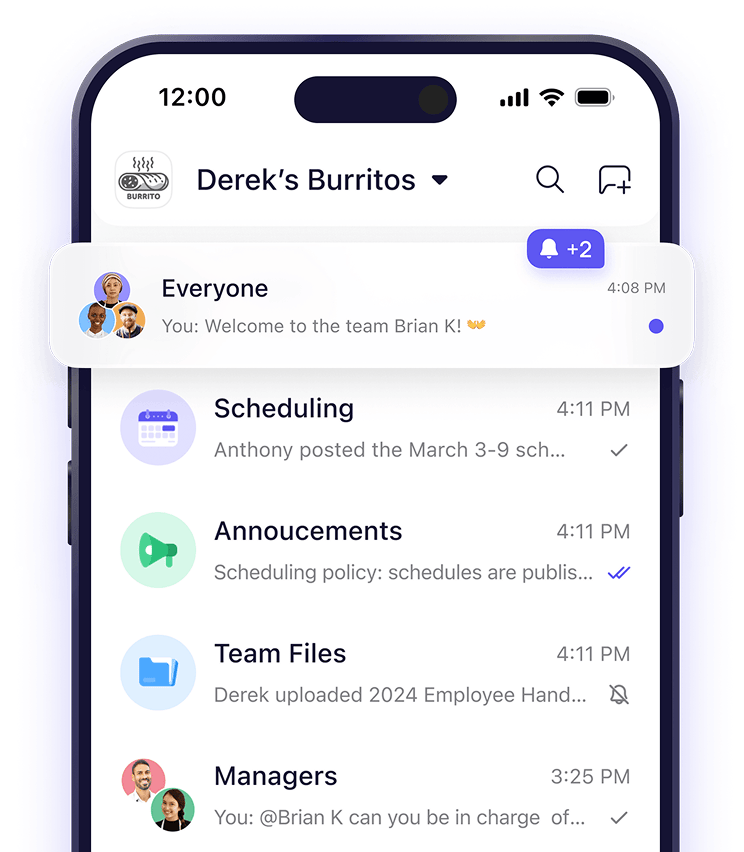
Modern solutions help here. Apps like Breakroom Chat let you message your coverage network instantly when gaps emerge. Instead of texting five people individually and waiting for responses, you reach everyone simultaneously. Someone who can help sees it first and responds. Done.
The Conversation That Prevents Next Month's Crisis
Let's talk about the call-out you got this morning. Was it:
- Monday or Friday (suspicious pattern territory)
- The day after payday
- The same stylist's third Monday call-out this quarter
- Someone who texted "I'm sick" but posted Instagram stories from brunch two hours later
Absence pattern tracking shows that three or more call-outs on the same day of the week within a three-month period constitutes a documented pattern worth addressing. Not a pattern you feel annoyed about, an actual trackable pattern.
If you've got patterns, you need a conversation. Not an accusation, a conversation. Frame it as: "I've noticed you've called out the last three Mondays. Is something going on with your Monday schedule we should talk about?"
This matters because 64% of workers feel anxiety, guilt, or fear when requesting sick days. That statistic includes people who have legitimate reasons to call out. Your goal isn't to make people feel worse about being actually sick. Your goal is to identify whether this is:
A) A pattern of availability issues that should have been discussed during hiring B) A personal situation (childcare, second job, health issue) where adjusted scheduling could solve this C) Someone exploiting the fact that you haven't set boundaries
The conversation itself often stops pattern call-outs. Research shows that requiring face-to-face return-to-work meetings after each absence acts as a disincentive to unnecessary sick leave. When people know they'll need to explain the pattern directly, the pattern often stops.
But here's the difficult part: if the conversation reveals option C and nothing changes, you need to let them go. Yes, even in a tight labor market. Because keeping someone unreliable doesn't solve your staffing problem, it just makes it permanent.
When Call-Outs Reveal Culture Problems
Sometimes call-outs aren't about individual flaky employees. Sometimes they're your team sending a message.
If multiple stylists suddenly call out more frequently, pay attention. Reddit discussions about salon problems reveal what owners miss: high turnover and excessive call-outs often trace back to management issues, not bad employees.
Think about life events beyond the employee themselves, such as family caregiving. If call-outs cluster around school schedules and sick-kid season, your problem isn't unreliable staff. It's inflexible scheduling.
According to Gallup research, employees with poor mental health take nearly 12 unplanned absences yearly, while those with good mental health average 2.5. Chronic call-outs raise the question: what about working here affects mental health?
Shift workers face 40% increased risk for heart disease. The physical toll of standing all day, managing difficult clients, and working weekends adds up. If your team is burning out, call-outs aren't the problem. They're symptoms.
Building Systems Instead of Scrambling
Let's be realistic about what you can control.
You cannot eliminate call-outs. People get sick. Emergencies happen. Life doesn't schedule itself around your salon's busy Saturday. Trying to achieve zero call-outs just creates a culture where sick people come to work anyway, spread illness to your team and clients, and underperform all day.
What you can control:
Your response speed. When someone calls out, do you have contact info for backup stylists immediately available, or are you searching through old texts? Speed matters. The research is clear: communication speed determines shift coverage success more than almost anything else. Set up systems now so you're not building them in crisis mode.
Your scheduling structure. If your entire operation depends on every single stylist showing up every single shift, you're one flu away from disaster. Build redundancy. Cross-train where possible. Identify which stylists can handle basic services across specialties. When you've got people who can cover partial duties, call-outs become inconvenient instead of catastrophic.
Your boundaries. You don’t have to be the automatic backup for every gap. When you personally cover every call-out, you teach your people that call-outs have no real consequences; the salon runs fine anyway. Sometimes the right answer is canceling appointments and absorbing the loss. That pain creates the business case for better systems.
Your documentation. Track every call-out. Date, time, reason given, notice provided. This isn't about building a case to fire people. It's about identifying patterns you can address before they become termination situations. When you can show someone "you've called out six Mondays in four months," that's a conversation based on facts, not feelings.
What Happens Next
Here's what most salon management advice misses: handling call-outs isn't really about the immediate tactical response. It's about building systems that make the tactical response obvious.
When your systems work, call-outs stop being emergencies. You've got backup contacts ready. You've built a culture where reliable people stay because they're not covering for flaky coworkers constantly. You've documented patterns so you can address problems before they force you into crisis mode.
The 8:47 AM text will still make your stomach drop. That's normal. But when your response is reaching for your coverage list instead of panicking about what to do next, you've already won half the battle.