
The 300-person corporate gala starts in 72 hours. Your kitchen team is ready, the menu is finalized, and the venue looks spectacular. Then a server calls in sick, followed by two more. By event morning, you're scrambling to plug holes in a staffing plan that seemed solid three days ago.
This scenario plays out weekly across catering operations. Think about the Governors Ball after the Oscars: over 900 event staff coordinating flawless service for Hollywood's elite. Or the Met Gala, where 650-700 guests paying $35,000 per ticket expect perfection. The difference between events that run flawlessly and those remembered for all the wrong reasons comes down to staffing decisions made weeks before the first guest arrives. Getting the numbers wrong in either direction costs money and reputation.
Why staffing ratios matter more than you think
The baseline staffing standard most caterers work from is one server per 32 guests regardless of service style. That's the industry average. It's also inadequate for most situations where you actually want guests to remember the service positively.
Service style drives the actual numbers you need. For plated dinners, the ratio tightens to one server per 10-12 guests to maintain proper timing and temperature. Picture a server carrying eight hot plates. They have roughly 30 seconds to deliver them before the first plates lose optimal temperature. Add just two more guests to that server's section and that window stretches to 45 seconds. Those 15 seconds turn a $200 per plate dinner into a lukewarm disappointment.
For buffet service, you need one server per three chafing dishes to keep food stocked, temperatures correct, and the line moving. Cocktail hour with passed appetizers demands one server per 25 guests. Each tray pass interaction takes 15-20 seconds. Your server needs to navigate the room, return to the kitchen for fresh trays, and ensure guests see new offerings every 3-4 minutes.
Bar service requires one bartender and one barback per 50 guests for a full bar. That barback isn't optional. Bartenders can't leave their stations during service, which means someone else stocks ice, retrieves glasses, and handles the constant restocking that keeps drink service moving. For beer and wine only, you can stretch to one bartender per 60-80 guests. For cocktail-heavy events, tighten back to one bartender per 30-40 guests.
The roles beyond servers that most operations understaff
Servers are the visible part of the equation. Behind them sits a support structure that determines whether they can actually do their jobs.
Kitchen staff ratios run at three people per 50 guests for plated service. These aren't passive prep cooks. They're plating meals under time pressure, coordinating with servers, and maintaining quality control when dozens of plates need to go out simultaneously. For events over 75 guests, add a head chef or kitchen lead who manages timing and handles the inevitable crisis.
At the Met Gala, servers rehearse for three full days before the event. They practice French service with timing drills because precision matters when you're serving celebrities and fashion's elite. This fine attention to choreography is what separates memorable service from mediocre execution.
Bussers work at a ratio of one per three servers for standard service. For table counts, that translates to one busser per six tables when using rounds of 10. Bussers aren't just clearing plates. They're resetting tables, managing water and bread service, and preventing the bottleneck that happens when servers can't move to the next course because dirty plates are still on the table.
For events with five or more staff members, you need a captain or service lead. This person isn't serving tables. They're managing flow, troubleshooting problems, coordinating with the kitchen, and making real-time adjustments when something goes wrong.
Building a timeline that actually works
Event planning guides recommend starting 9-12 months out for large events. That timeline isn't padding. It's the minimum needed to execute properly.
9-12 months before: Define scope and objectives. Lock in the date. Secure the venue. This is when you're doing initial headcount estimates and determining service style, which drives every staffing decision that follows.
6-9 months out: Finalize the menu. Confirm equipment needs. Create the initial staffing plan based on confirmed service style and realistic guest counts. Don't use the aspirational number the client hopes will attend. Use historical RSVP rates to build your staffing model.
3-6 months out: Begin recruiting temporary staff if needed. Confirm vendor relationships. Start detailed logistics planning including kitchen access, load-in procedures, and breakdown requirements.
6-8 weeks out: Finalize staffing numbers based on confirmed guest counts. Conduct training sessions for new or temporary staff. Build your communication tree so everyone knows who reports to whom. Create contingency plans for common problems: bad weather, no-shows, equipment failures.
2-4 weeks out: Confirm all staff assignments. Send detailed event briefs to every team member including venue address, arrival times, parking instructions, dress code, and emergency contacts.
1 week out: Send reminder messages to all staff. Confirm equipment deliveries. Verify backup plans.
24-48 hours before: Final headcount verification. Last-minute staffing adjustments. Equipment checks.
The hidden costs that blow up catering budgets
Labor represents the largest variable cost in any large-scale event. Industry data shows caterers typically allocate 30-35% of total event costs to labor. Get the staffing wrong and that percentage explodes.
Overtime eats budgets. Most states require overtime pay after 40 hours weekly, with some requiring daily overtime after 8 hours. Long event days combined with extensive setup and breakdown push teams into overtime territory fast. California's daily overtime rules mean an 11-hour event day triggers three hours of time-and-a-half pay per worker.
No-shows force expensive last-minute replacements. Employee no-show rates in food service run 10-15% higher than other industries. For a 200-person event requiring 20 servers, you should expect 2-3 no-shows based on industry averages. Building a float pool of on-call staff costs money upfront but prevents the chaos of scrambling for warm bodies two hours before service.
Temporary staffing agencies charge premium rates. Standard markup runs 40-60% above base hourly rates. A server earning $20/hour costs you $28-32/hour through an agency. For a 15-person event staff, that premium adds $1,200-1,800 to a six-hour event.
Training time for temporary staff compounds costs. New temps need 2-4 hours of training minimum to understand your systems, service standards, and procedures. That's billable time before they serve a single guest.
Temporary versus permanent staff: making the right call
The permanent versus temporary staffing decision hinges on your event frequency and volume consistency.
Permanent staff make sense when you're running multiple large events monthly. The upfront investment in training, benefits, and year-round payroll pays dividends through consistent service quality and institutional knowledge. The challenge: maintaining enough work to justify full-time employment during slow periods.
Temporary staffing through agencies solves the volume variability problem. You scale up for major events without carrying fixed labor costs during quiet weeks. Agencies handle recruitment, background checks, and replacement staff for no-shows. The trade-off: quality consistency varies and temps lack familiarity with your operation.
Hybrid models split the difference. Maintain a core permanent team for critical roles (kitchen leads, service captains, bar managers) and supplement with temps for server and support positions.
The permanent team size calculation: count your minimum monthly event requirements. If you need 15 staff members for at least three events monthly, maintaining 10-12 permanent employees with a temporary supplement covers most situations without excessive overhead.
Training that prevents service disasters
Temporary staff need compressed but comprehensive training. Two to four hours before their first event covers the essentials: your service standards, timing expectations, how to handle common problems, and who to ask when things go wrong.
Focus training on the specific service style they'll execute. Plated service requires different skills than buffet management or tray passing. Walking temps through the actual sequence they'll perform eliminates confusion during service.
Food safety certification isn't optional. Many venues require ServSafe certification for anyone handling food. Staff without proper certification can't touch food prep or service.
Emergency protocols matter more than fancy service techniques. Every staff member needs to know: fire exits, where the first aid kit is located, who handles medical emergencies, and the evacuation plan.
Create role-specific onboarding checklists for each position. Servers get a checklist covering their section setup, service sequence, and breakdown duties. Kitchen staff get timing checklists. Bartenders get par level and restocking checklists.
Venue considerations that change staffing requirements
Venue layout dramatically affects staffing needs. Multiple-level venues, long distances from kitchen to service areas, or distinct service zones all require 15% more staff than standard calculations suggest.
Kitchen access and loading limitations drive setup timing and crew size. A venue with a freight elevator that fits six people and limited operating hours needs more staff working compressed timeframes. If you can only load in between 6-8am, you need enough hands to execute in that window.
Consider Wolfgang Puck's operation at the Governors Ball. He's catered the event for 31 consecutive years, serving hundreds of A-list guests with multiple courses including signature items shaped like Oscar statuettes. That level of consistency comes from understanding every logistical constraint of the venue and planning accordingly.
Climate control and working conditions impact staff performance. Outdoor summer events in southern states require additional staff rotation to prevent heat exhaustion. Winter events need adequate heated areas for breaks.
The contingency planning that most operations skip
Build float staff into every large event. The industry standard: plan for 10-15% no-shows and have backup staff on standby. For a 20-person event crew, that means three backup workers ready to deploy on short notice. Yes, it costs money to have them standing by. It costs more to run an undermanned event.
Create role flexibility through cross-training. Servers who can also bus tables provide coverage when bussers don't show. Kitchen staff who understand bar procedures can jump in during a rush.
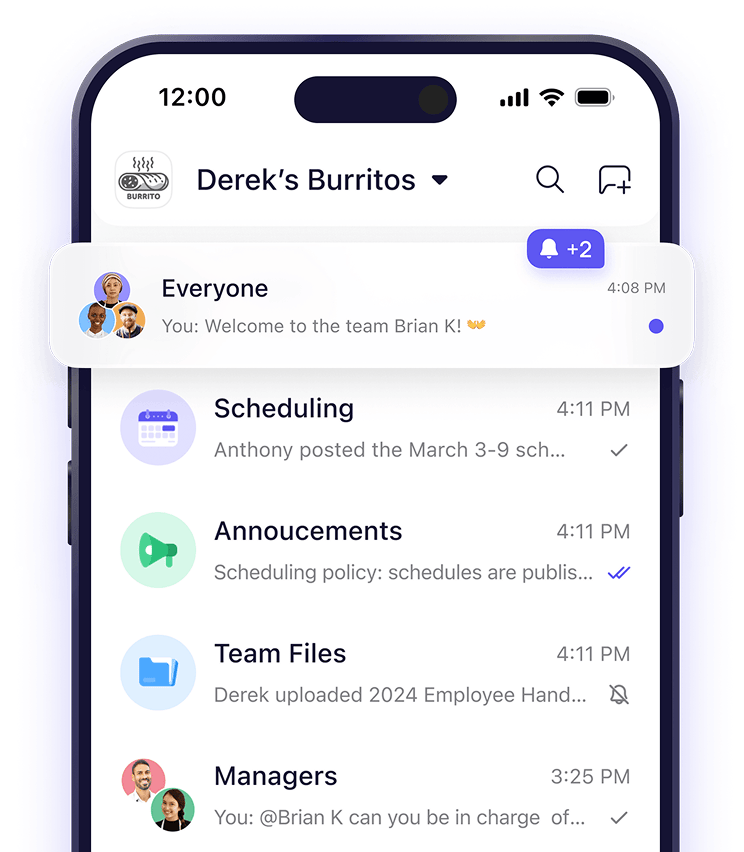
Establish emergency communication protocols. Every staff member needs a contact number for day-of emergencies. Service leads need a way to instantly reach backup staff. Real-time coordination systems provide channels for quick problem resolution.
Document vendor backup plans. Your primary linen vendor can't deliver? Who's your backup? Refrigeration unit fails? Where's the nearest emergency rental supplier?
Weather contingency plans for outdoor events aren't suggestions. Where do 200 guests go if it rains? How does that change your staffing and setup? These questions need answers weeks before the event.
Equipment failure scenarios deserve specific plans. The oven dies during service. The POS system crashes. For each, your team needs to know: who assesses the problem, who contacts backup resources, and how service continues while the problem gets fixed.
Making the staffing budget work without cutting service
Start with accurate baseline numbers using the ratios covered earlier. Don't immediately slash them to fit your budget. Understand what you actually need, then look for legitimate savings.
Negotiate labor rates based on volume commitment. If you're booking regular events with an agency, you have leverage for better rates. A caterer booking 50+ event days annually can typically negotiate 5-10% off standard markups.
Consider timing adjustments that reduce overtime. An event running 6pm-midnight with 2-hour setup and 2-hour breakdown puts staff into overtime. Moving setup earlier or using a smaller crew for extended breakdown at straight time rates costs less than paying the full crew overtime.
Optimize staff arrival times to avoid idle labor. Everyone doesn't need to arrive at the same time. Kitchen staff arrive first for prep. Setup crew comes next. Servers arrive 30-60 minutes before service. This staggered approach prevents paying 20 people to stand around watching three people work.
Invest in tools that reduce coordination time. Scheduling software that automates shift assignments, sends automatic reminders, and manages shift swaps saves 10-15 hours weekly. That's management time freed up for revenue-generating activities.
What separates events that run smoothly from ones that don't
The common thread in successful large-event catering: ruthless attention to staffing details during planning. Operations that treat staffing as a last-minute scramble consistently underperform.
Large events expose operational weaknesses. A poorly planned 50-person dinner might muddle through on improvisational talent. A 300-person gala with inadequate staffing creates visible failures: long bar lines, cold food, dirty tables, and guests who wonder what they paid for.
The Vanity Fair Oscar party takes months of meticulous planning, from traffic patterns to theatrical lighting to staff choreography. When celebrities and billionaires converge under one roof expecting perfection, every detail has been rehearsed. That level of execution doesn't happen by accident.
The planning phase determines execution outcomes. Time invested six weeks before an event prevents disasters during service. Money spent on backup staff prevents penny-wise, pound-foolish decisions that trash your reputation. Training conducted in advance enables staff to focus on service rather than figuring out basic procedures.
What looks like smooth execution during an event reflects exhaustive preparation beforehand. That doesn't happen by accident. It happens because someone did the math, built the contingencies, and communicated the plan clearly enough that a team of 30 people can execute in coordination.