What Is the Duties Test and Why It Matters

Let’s say your job has a fancy title, but what really decides whether you’re eligible for overtime pay isn’t the title at all. It’s what you actually do every day. That’s where the Duties Test comes in.
Under the Fair Labor Standards Act (FLSA), employers use the Duties Test to figure out if someone is exempt from overtime pay. In simple terms, it checks the kind of work you do. If your main duties fall into specific categories like executive, administrative, professional, or outside sales, you might not qualify for overtime pay, even if you work more than 40 hours a week.
This is not about how hard you work. It’s about the type of work. That distinction is key, and it’s why understanding this test can make a real difference for both employees and employers.
How the Duties Test Works
The test looks beyond job descriptions or titles. It focuses on your primary duties, meaning the main tasks you spend most of your time on. For example:
- If you manage a team and make key business decisions, that falls under executive duties.
- If you handle high-level office work like budgeting or compliance, that’s administrative.
- If you work in a field requiring advanced knowledge or special skills, that’s professional.
- If your job revolves around making sales away from the office, that’s outside sales.
If your role fits one of these categories and you also meet the salary threshold, your employer can classify you as exempt. That means no overtime pay, no matter how many extra hours you log.
Why Employees Should Understand It
Knowing how the Duties Test works helps you understand your rights. If your job doesn’t truly match one of these categories, but you’re not being paid overtime, it could be a red flag. Many employees don’t question their classification because they assume their job title tells the whole story. It doesn’t. The real test is in the duties.

For employers, getting this wrong can mean lawsuits, penalties, and back pay. For employees, it can mean missed earnings. That’s why both sides need to know how this test works.
Common Misclassifications That Cause Trouble
Misclassification happens more often than people think. A job title might sound important, but that alone doesn’t make someone exempt. Take this example. Someone might be called a manager, but if most of their day is spent running a cash register or stocking shelves, they probably don’t meet the executive duty requirement.
Another common one is the assistant or coordinator title. If the person is following clear instructions rather than making independent decisions, their duties might not qualify as administrative under the FLSA. The same goes for “professional” roles. Just having a degree doesn’t automatically mean someone meets the professional exemption. The work must actually require advanced knowledge and judgment.
Many employers don’t do this intentionally. But even honest mistakes can cost them. That’s why both employees and companies should pay close attention to what the job really involves.
What to Do If You Think You’re Misclassified
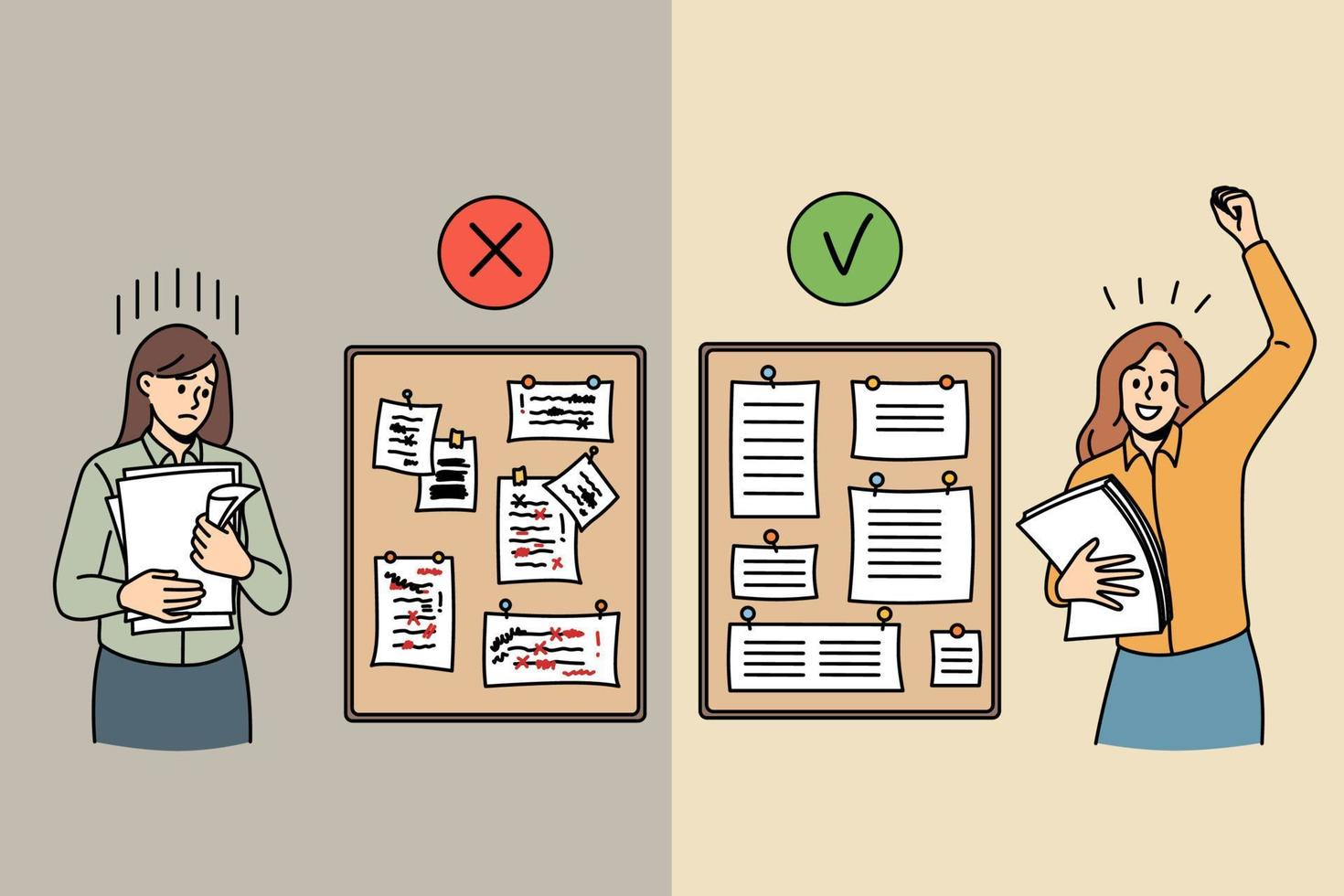
If something doesn’t feel right, it’s smart to double-check your classification. Start by looking at your daily responsibilities, not just what’s listed on paper. Ask yourself:
- Am I mainly doing the kind of work that fits one of the exemption categories?
- Do I make independent decisions that affect the business?
- Is my job more task-oriented than strategic?
If the answers don’t match how you’re classified, talk to your HR department. If that doesn’t help, you can check official FLSA guidelines or consult a labour attorney. It’s not about starting a fight. It’s about making sure your rights and pay match the work you actually do.
How Employers Can Stay Compliant
For employers, getting the Duties Test right is not just a legal box to tick. It’s risk management. The simplest way to stay compliant is to base exemption decisions on actual duties, not titles or assumptions. Review job roles regularly. Talk to employees about what they really do day to day. Update job descriptions if needed.
Training managers to understand these rules can save a company from costly disputes. Documenting job responsibilities clearly also helps if the classification is ever questioned. When in doubt, it’s often safer to classify conservatively and pay overtime.
How Salary and Duties Work Together

The Duties Test doesn’t stand alone. To be classified as exempt, employees generally have to meet two main requirements: the duties test and the salary threshold. Even if your daily work qualifies under one of the exemption categories, you still need to earn at least the minimum salary set by law. If you don’t meet both, you’re not exempt.
This detail trips up many employers. Someone may have executive responsibilities but still be eligible for overtime because their salary doesn’t meet the required level. That’s why both elements need to be reviewed carefully, side by side.
Why Regular Reviews Matter
Job roles evolve. What someone was hired to do two years ago might not be what they’re doing now. That’s why regular reviews are crucial. Employers should re-evaluate positions whenever responsibilities shift. Employees should also stay aware of how their role is changing over time.
A quick internal check every year can prevent bigger problems later. It ensures classifications stay accurate and pay practices stay fair. This small step saves time, money, and unnecessary legal headaches for everyone involved.
Your Job Title Isn’t the Whole Story

At the end of the day, the Duties Test isn’t about fancy titles or how important your role sounds. It’s about the work you actually do. Whether you’re an employee checking your rights or an employer trying to stay compliant, understanding this test is a smart move.
If your daily responsibilities line up with executive, administrative, professional, or outside sales duties, you may be exempt from overtime. If they don’t, then you should be paid for those extra hours. Simple as that.
Knowing the rules gives you clarity. It keeps businesses out of legal trouble and helps employees get what they’ve earned. Titles may look nice on paper, but duties tell the real story.