Employee burnout is a state of chronic exhaustion stemming from workplace stress that has not been effectively managed. The World Health Organization includes burnout in the International Classification of Diseases (ICD-11) as an occupational phenomenon characterized by three dimensions: feelings of energy depletion or exhaustion, increased mental distance from one's job or feelings of negativism or cynicism related to one's job, and reduced professional efficacy.
Burnout is not simply being tired after a hard week. It represents a deeper depletion that accumulates over time and does not resolve with a weekend off. For frontline managers, recognizing and preventing burnout is essential because burned-out employees deliver worse service, make more mistakes, and eventually leave.
The Burnout Crisis in Frontline Industries
Service industries face particularly high burnout risk due to the nature of frontline work. Constant customer interaction, physical demands, variable schedules, and emotional labor all contribute to stress that can accumulate into burnout.
SHRM found that 44% of surveyed U.S. employees feel burned out at work, 45% feel "emotionally drained" from their work, and 51% feel "used up" at the end of the workday. These numbers represent a workforce struggling to sustain itself.
Frontline workers experience specific stressors that office workers largely avoid: dealing with difficult customers face-to-face, working physically demanding shifts, navigating unpredictable schedules, and managing work-life balance without the flexibility that remote work provides. Research indicates that 53% of frontline managers are burned out, which means they are not giving their frontline workers the attention they need to stay engaged and productive.
Warning Signs Managers Should Recognize
Burnout develops gradually, and early diagnosis allows intervention before employees reach the breaking point.
Exhaustion That Does Not Recover: Normal fatigue resolves with rest. Burnout exhaustion persists despite time off. Employees may report feeling tired before their shift starts or express that vacations no longer restore their energy.
Increased Cynicism: Employees who previously cared about customer satisfaction start expressing indifference or negativity. They may make dismissive comments about the job, the company, or customers.
Declining Performance: Previously reliable employees begin making uncharacteristic errors, missing details, or producing lower-quality work. Tasks that once came easily now seem to require excessive effort.
Withdrawal: Burned-out employees often pull back from social interaction with coworkers. They may eat lunch alone, avoid team conversations, or decline optional activities they previously enjoyed.
Increased Absenteeism: Calling out more frequently, arriving late, or leaving early can signal burnout. Employees may be genuinely unwell (burnout manifests physically) or simply unable to face another shift.
Physical Symptoms: Chronic headaches, sleep problems, digestive issues, and frequent illness can accompany burnout. According to research, 79% of employees reported chronic workplace stress as a major issue affecting their well-being, and nearly three in five employees reported negative effects including lack of interest, emotional exhaustion, and physical fatigue.
Schedule-Related Burnout Factors
For hourly workers, scheduling practices contribute significantly to burnout risk.
Unpredictable Schedules: When employees cannot anticipate their work hours, planning becomes impossible. The constant uncertainty creates chronic stress even during time off, as employees cannot fully disconnect while wondering what next week might bring.
Insufficient Notice: Schedules posted at the last minute force employees into reactive mode, scrambling to arrange childcare, transportation, or other responsibilities. This chaos depletes energy reserves that should be replenishing during non-work hours.
Clopening Shifts: Scheduling an employee to close one night and open the next morning eliminates adequate rest time. While technically providing hours between shifts, clopenings prevent the recovery sleep that prevents burnout accumulation.
Excessive Hours: Some employees want maximum hours; others do not. Scheduling more hours than an employee wants (especially without asking) accelerates burnout. Conversely, inadequate hours create financial stress that compounds workplace stress.
Ignored Availability: When employees submit availability and then receive shifts during unavailable times, they feel disrespected and unheard. Even if they trade shifts or work despite the conflict, resentment builds.
Prevention Strategies for Shift-Based Environments
Post Schedules Early and Consistently: Pick a schedule-posting day and stick to it. Employees should know exactly when to expect their schedule and have adequate time to plan around it. Even modest improvements in advance notice reduce stress.
Eliminate Clopening Shifts: Build minimum rest time into scheduling practices. If employees need at least ten hours between shifts to sleep and travel, schedule accordingly.
Honor Availability Requests: When employees submit availability, respect it. Asking employees to work during unavailable times should be the exception, not the routine.
Monitor Hours Distribution: Track whether certain employees consistently receive excessive hours while others get insufficient hours. Balance workload to prevent overwork while meeting employee preferences.
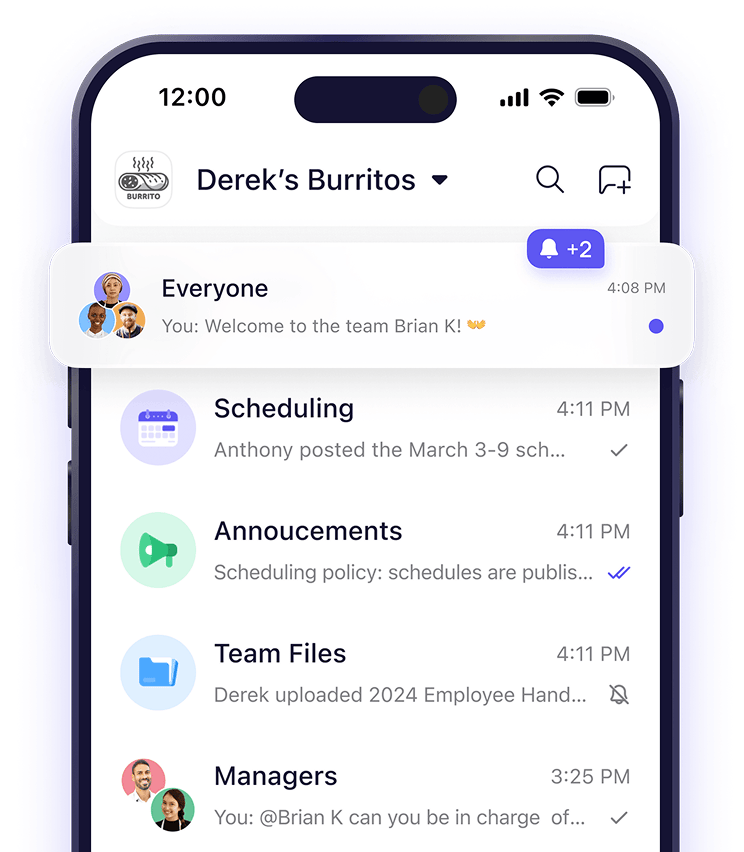
Enable Shift Flexibility: Mobile tools that allow employees to swap shifts, pick up open shifts, and communicate about coverage create flexibility without adding manager workload. When employees can adjust their schedules themselves, they gain control that reduces stress.
Creating a Burnout-Resistant Culture
Beyond scheduling, broader cultural factors affect burnout risk.
Staffing Adequacy: Chronic understaffing guarantees burnout. When every shift feels like a scramble, employees never catch their breath. Appropriate staffing allows recovery during slower periods.
Breaks That Are Real: Required breaks that employees cannot actually take (because there is no coverage) provide no recovery benefit. Ensure that break policies are practically enforceable, not just theoretically required.
Manager Support: Employees who feel supported by their managers show greater resilience to stress. Regular check-ins, genuine interest in well-being, and willingness to adjust workloads when employees struggle all help prevent burnout. Gallup research shows that employees who believe their employer cares about their well-being are three times more engaged and 71% less likely to report burnout.
Clear Communication: Uncertainty compounds stress. When employees know what is happening, what is expected, and how decisions affect them, anxiety decreases. Rumors and information vacuums create the opposite effect.
Recovery Opportunities: Build recovery into the rhythm of work. This might mean rotating stressful positions, ensuring coverage so employees can take true breaks, or periodically asking overworked employees to take a day off.
When Burnout Has Already Occurred
Once burnout sets in, prevention strategies alone are insufficient. Intervention is required.
Have a private, supportive conversation. Ask how the employee is doing and listen without judgment. Burned-out employees often feel they should be coping better and may hesitate to admit they are struggling.
Explore what might help. Sometimes workload reduction is possible. Sometimes a schedule adjustment provides relief. Sometimes the employee needs time off to recover. Tailor the response to what the employee actually needs rather than applying a generic solution.
Follow up genuinely. Burnout recovery takes time. A single conversation does not resolve months or years of accumulated exhaustion. Check in regularly to monitor recovery and adjust support as needed.
Consider whether organizational changes are required. If burnout is widespread rather than isolated, individual interventions will not solve the problem. Systemic issues (understaffing, toxic management, unrealistic expectations) require systemic solutions.