Employee engagement describes the emotional commitment your workers feel toward their job and organization. Engaged employees care about outcomes, put in discretionary effort, and actively contribute to the team's success. Disengaged employees do the minimum required and little more.
For managers in restaurants, retail, healthcare, and service industries, engagement presents both a challenge and an opportunity. High turnover, variable schedules, and limited advancement opportunities can suppress engagement. Yet frontline positions offer meaningful human interaction, visible impact, and team camaraderie that many office jobs lack. Understanding what drives engagement helps managers tap into these strengths.
The Business Case for Engagement
Engagement is not just a feel-good metric. Research shows that when employees are highly engaged, turnover drops by 51%, employee well-being improves by 68%, and productivity increases by 23%. These numbers translate directly to operational performance and profitability.
The inverse is equally important. Low engagement levels cost the global economy approximately $8.9 trillion, equivalent to 9% of global GDP. When employees mentally check out, they still show up, but their contribution drops substantially. Mistakes increase, customer service suffers, and the burden falls on engaged team members who may burn out from carrying extra weight.
In 2024, the global percentage of engaged employees fell from 23% to 21%, one of only two times engagement has fallen in the past 12 years. This decline, equal to the drop during COVID-19 lockdowns, signals that organizations need to double down on engagement efforts.
What Engagement Looks Like on the Frontline
An engaged server recommends menu items enthusiastically, checks on tables proactively, and helps struggling coworkers without being asked. A disengaged server takes orders, delivers food, and waits for their shift to end.
An engaged retail associate notices when a customer looks confused and approaches to help. They restock shelves during slow periods without prompting. A disengaged associate avoids customer interaction and counts down the minutes until break time.
An engaged CNA pays extra attention to patient comfort, reports subtle changes in condition, and supports fellow caregivers during difficult moments. A disengaged CNA completes required tasks but no more.
The difference shows up in customer experiences, team dynamics, and operational outcomes. Engagement is visible daily in how people approach their work.
What Drives Engagement in High-Turnover Industries
Frontline workers share common engagement drivers with all employees, but certain factors carry extra weight given the unique nature of their work.
Relationship with Direct Manager: The supervisor relationship matters enormously. A manager who communicates clearly, handles conflicts fairly, shows appreciation, and advocates for their team generates engagement that overcomes many other challenges. Conversely, a poor manager can destroy engagement even in otherwise good workplaces.
Schedule Fairness and Predictability: For hourly workers, scheduling carries emotional weight beyond logistics. Employees who feel schedules are distributed fairly, who receive adequate notice to plan their lives, and who have input on their availability demonstrate higher engagement. Last-minute changes, perceived favoritism in shift assignments, and ignored time-off requests breed resentment.
Feeling Valued and Recognized: Frontline work often goes unnoticed until something goes wrong. The server who handles a difficult customer gracefully, the stocker who organizes a chaotic backroom, the caregiver who comforts an anxious patient all deserve acknowledgment. When recognition is absent, employees question whether their efforts matter.
Connection to Team and Purpose: The relationships among coworkers often sustain engagement even when other factors are challenging. Teams that communicate well, support each other, and share a sense of purpose develop engagement that transcends individual job satisfaction.
Tools and Resources to Do the Job: Few things frustrate employees faster than lacking what they need to succeed. Broken equipment, inadequate staffing, missing supplies, and clunky systems create daily friction that erodes engagement over time.
Measuring Engagement
Several approaches help managers understand engagement levels within their teams.
Annual Engagement Surveys: Comprehensive surveys covering multiple dimensions of the work experience provide baseline data and track trends over time. However, annual measurement alone misses developments between surveys and often arrives too late to address emerging problems.
Pulse Surveys: Brief, frequent check-ins (weekly or monthly) capture current sentiment and identify issues quickly. For frontline teams, these work best when mobile-accessible and genuinely brief (three to five questions).
Employee Net Promoter Score (eNPS): This single-question metric asks how likely employees are to recommend the organization as a place to work. While limited in depth, eNPS provides a quick engagement indicator suitable for regular tracking.
Stay Interviews: Rather than exit interviews conducted after someone resigns, stay interviews ask current employees what keeps them and what might cause them to leave. These conversations surface concerns while there is still time to address them.
Behavioral Indicators: Engagement manifests in observable patterns. Voluntary turnover rates, absenteeism, shift coverage response times, and customer satisfaction scores all reflect underlying engagement levels.
The Engagement Challenge for Frontline Workers
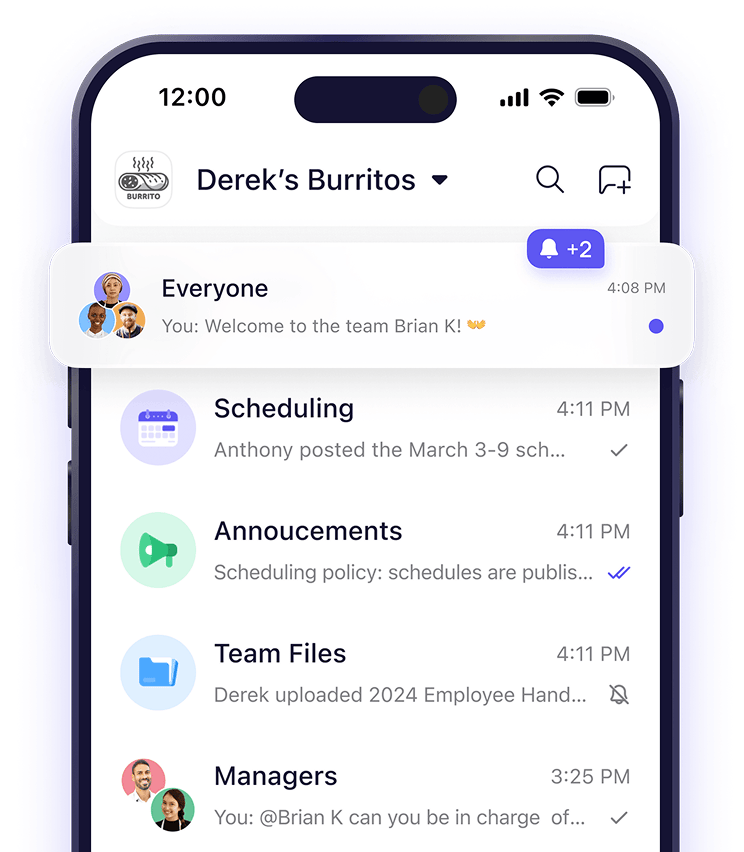
Traditional engagement approaches often miss frontline employees entirely. Surveys distributed via email do not reach workers without company email addresses. Recognition programs that happen in conference rooms exclude workers who never enter the office. Learning platforms requiring desktop access go unused by mobile-only employees.
Closing this gap requires intentional adaptation. Engagement measurement must be mobile-accessible. Recognition must reach people where they work. Communication must travel through channels employees actually use. When organizations make these adaptations, engagement improves among previously overlooked populations.
Building Engagement Through Daily Actions
Managers cannot mandate engagement, but they can create conditions where engagement flourishes.
Communicate Consistently: Uncertainty breeds disengagement. When employees know what is happening, what is expected, and how decisions affect them, anxiety decreases and investment increases. Regular team updates, transparent scheduling, and honest answers to questions build trust.
Recognize Often and Specifically: Generic praise feels hollow. Specific recognition that names what someone did and why it mattered resonates more deeply. When recognition happens regularly rather than sporadically, it becomes part of the culture rather than a surprise.
Address Problems Promptly: When employees raise concerns and nothing happens, they learn that speaking up is pointless. Addressing issues (or explaining honestly why they cannot be addressed immediately) demonstrates that employee input matters.
Connect Work to Meaning: Most frontline jobs serve real human needs. The cook feeds people. The caregiver provides comfort. The retail associate helps customers find what they need. Reminding employees of this purpose, celebrating customer compliments, and framing work as meaningful rather than mechanical supports engagement.
Model the Behavior You Want: Engaged managers tend to develop engaged teams. Your attitude, energy, and commitment set the tone for how others approach their work.