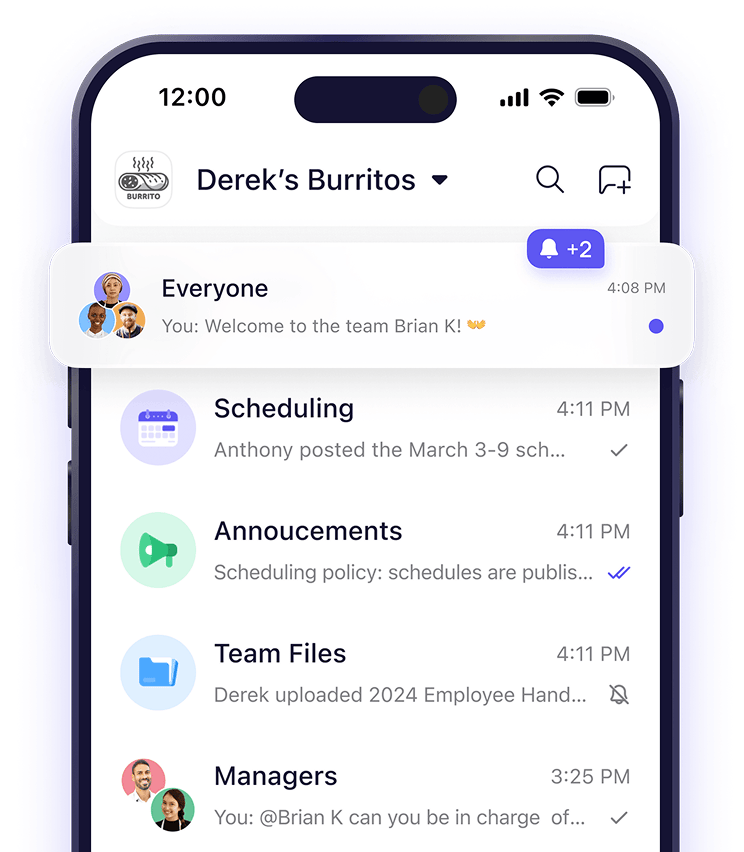
Employee engagement software encompasses digital platforms designed to measure, track, and improve how connected and motivated employees feel toward their work and organization. These tools typically include survey capabilities, recognition features, feedback channels, and analytics dashboards.
For businesses with frontline workforces, engagement software presents both opportunity and challenge. The right platform can bridge communication gaps, surface employee concerns, and build culture across dispersed teams. The wrong platform (or the right platform implemented poorly) becomes another unused tool that employees ignore.
Core Capabilities of Engagement Platforms
Pulse Surveys and Measurement: Most engagement software includes survey tools that range from comprehensive annual assessments to brief pulse checks. These measure dimensions like manager relationships, communication effectiveness, recognition adequacy, and growth opportunities. Platforms vary in question libraries, customization options, and analytics sophistication.
Recognition and Rewards: Features enabling peer-to-peer and manager-to-employee recognition are common. These range from simple acknowledgment tools to elaborate point systems with reward catalogs. The goal is making appreciation visible and frequent rather than rare and formal.
Feedback Channels: Beyond surveys, some platforms offer continuous feedback options where employees can raise concerns, submit ideas, or respond to company communications. These create ongoing dialogue rather than periodic check-ins.
Analytics and Reporting: Dashboards aggregate survey results, track trends, compare segments (by location, department, or manager), and identify patterns. More sophisticated platforms include predictive analytics that flag flight risks or engagement declines before they manifest in turnover.
Communication Integration: Some platforms include or integrate with communication tools, recognizing that engagement and communication are intertwined.
The Mobile-First Imperative for Frontline Teams
Traditional engagement software assumed desktop access. Employees would log into web portals to complete surveys or access recognition feeds. This model fails spectacularly for deskless workers.
Frontline employees need engagement tools that work on their phones, load quickly, and require minimal clicks. A platform that requires desktop access or takes too long to navigate will not achieve adoption among restaurant servers, retail associates, caregivers, or delivery drivers.
With only 23% of frontline workers reporting access to the digital tools they need to stay productive, mobile-first design is not optional. Platforms designed for office workers often fall short when deployed to frontline populations, no matter how robust their features appear.
Selection Criteria for Multi-Location Businesses
Consider the following factors when evaluating engagement software for distributed frontline teams:
Mobile Experience: Test the platform on smartphones, not just desktop demonstrations. Is the mobile app genuinely usable or a compromised version of the desktop experience? Can employees complete surveys quickly during a break? Is the interface intuitive for users with varying technical comfort?
Accessibility: Can employees access the platform without company email addresses? Many frontline workers lack corporate email. Platforms requiring email login create immediate barriers.
Segmentation: Can you analyze results by location, shift, tenure, or other relevant dimensions? Understanding that engagement differs between your downtown and suburban locations, or between morning and evening shifts, requires granular data.
Adoption Features: What does the platform do to encourage participation? Push notifications, reminders, gamification elements, and seamless integration with existing workflows all affect whether employees actually use the tool.
Implementation Support: Will the vendor help you launch effectively, or are you on your own after purchase? Successful engagement software requires thoughtful rollout, manager training, and ongoing optimization.
Integration: Does the platform connect with systems you already use? Integration with communication tools, scheduling systems, or HRIS reduces friction and increases adoption.
What Engagement Software Cannot Do
Software is a tool, not a solution. The most sophisticated platform will not fix toxic management, unfair scheduling, or inadequate compensation. Technology amplifies existing efforts but cannot substitute for genuine commitment to employee experience.
Surveys that collect feedback without follow-through actually damage engagement. Employees who repeatedly share concerns and see nothing change learn that the software is theater rather than genuine listening. Before implementing engagement software, ensure you are prepared to act on what you learn.
Recognition platforms that are not used become digital ghost towns. Features only work if managers and employees actually engage with them. This requires cultural adoption, not just technical deployment.
The Distinction from Communication and Scheduling Tools
Employee engagement software focuses specifically on measuring and improving engagement levels. Communication and scheduling platforms serve different primary purposes but often support engagement indirectly.
Workforce management tools that enable clear schedule communication, team messaging, and shift coordination address many factors that affect engagement (like schedule predictability and team connection) without being classified as engagement software. For many businesses, improving these foundational elements provides greater engagement lift than dedicated engagement platforms.
Organizations should evaluate what gaps actually exist before purchasing dedicated engagement software. If employees do not know their schedules in advance, cannot communicate easily with coworkers, and feel disconnected from company updates, addressing those issues may matter more than adding surveys.
Getting Value from Engagement Software
Start with Clear Objectives: What do you hope to accomplish? Measuring engagement levels? Reducing turnover? Identifying problem managers? Improving workplace culture? Clarity on goals guides platform selection and implementation approach.
Involve Frontline Input: Before deploying any platform to frontline employees, involve them in the selection process. Their feedback on usability will predict adoption success.
Train Managers Thoroughly: Managers are the primary users of engagement data and the primary actors in improving engagement. If managers do not understand how to interpret data, respond to feedback, or use recognition features, the platform will underperform.
Set Realistic Expectations: Engagement improves through sustained effort over time, not immediate transformation. Expect gradual improvement measured in months and years rather than days and weeks.
Close the Feedback Loop: Whatever feedback mechanism you implement, create a visible process for responding. Share survey results. Communicate what you learned and what you are doing about it. This closes the loop and demonstrates that feedback matters.