Employee management is the practice of overseeing and coordinating employee activities to achieve organizational goals while supporting individual employee development and well-being. It encompasses hiring, training, directing, motivating, providing feedback, handling performance issues, and ensuring employees have what they need to succeed in their roles.
While the term often gets used interchangeably with "people management," employee management tends to focus more on the day-to-day operational aspects of managing workers - scheduling, task assignment, policy enforcement, and immediate problem-solving. It's the hands-on work of making sure shifts get covered, customers get served, and standards get met.
The Core Components of Employee Management
Effective employee management involves several interconnected responsibilities that managers must juggle simultaneously.
Directing and Delegation
At its most basic level, employee management means getting work done through other people. This requires clearly communicating what needs to be done, assigning tasks appropriately based on employee skills and capacity, setting priorities when multiple things need attention, and following up to ensure completion.
This happens dozens of times per day in shift-based businesses. A restaurant manager assigns sections to servers, tells the kitchen what to prep, and adjusts assignments as the flow of customers changes. A retail supervisor directs employees to stock shelves, cover registers, or help customers based on immediate needs.
The challenge is doing this without micromanaging. Good employee management means giving people clear direction and then trusting them to execute, not hovering over every detail.
Performance Monitoring and Feedback
Managers need to track how employees are performing and provide regular feedback. This isn't just about catching mistakes; it's about recognizing good work, coaching for improvement, and identifying training needs.
According to research compiled by ThriveSparrow, 80% of employees receiving meaningful weekly feedback report full engagement. This highlights how critical regular feedback is to employee management success.
For hourly workers, this feedback often needs to happen in brief, informal conversations rather than scheduled review meetings. A quick "great job handling that rush" or "let's talk about a better way to approach that situation" can be more effective than a formal quarterly review.
Problem-Solving and Conflict Resolution
Managers inevitably deal with employee conflicts, customer complaints, scheduling conflicts, policy questions, equipment failures, and countless other issues. The ability to address problems quickly and fairly is essential.
In high-turnover environments like restaurants and retail, conflicts often arise from miscommunication, unclear expectations, or personality clashes among people who didn't choose to work together. Good employee management means addressing these issues before they escalate and poison team morale.
Supporting Employee Development
Even in entry-level positions, good managers think about employee growth and assess what needs they have. This might mean training someone on new skills, giving employees opportunities to take on more responsibility, preparing high-performers for promotion, or helping someone who's struggling get back on track.
This development focus is what separates managers who just fill shifts from those who build teams. When employees feel their manager is invested in their success, they're more engaged and likely to stay.
The Transition from Worker to Manager
Many shift-based businesses promote their best workers into management positions, but being good at doing a job doesn't automatically make someone good at managing others who do that job. The skills are fundamentally different.
A great server might struggle as a restaurant manager because they're uncomfortable delegating, holding peers accountable, or managing former co-workers. An excellent retail associate might find the administrative aspects of scheduling and inventory overwhelming even though they were stellar on the sales floor.
This transition requires developing new skills like giving direct feedback even when it's uncomfortable, delegating tasks rather than doing everything yourself, thinking strategically about staffing and operations rather than just handling immediate tasks, and managing up to your own supervisor while managing down to your team.
Managing Through Others
As operations grow, employee management often means managing through supervisors or team leads rather than managing every individual directly. This requires different skills - developing and coaching other managers, ensuring consistency across shifts or locations, creating systems that work without your direct involvement, and trusting others to uphold standards.
A restaurant owner might have several shift managers who each manage their own crews. The owner's job shifts from managing employees to managing managers, which requires letting go of some control while ensuring standards remain consistent.
The Metrics of Employee Management
How do you know if you're managing employees effectively? Key metrics include turnover rates, customer satisfaction scores, productivity measures, absence and tardiness rates, employee engagement survey results, and how often you need to escalate issues to upper management.
If you're constantly short-staffed because people keep quitting, if customers are complaining about service, or if employees are frequently calling out, these are signs that employee management needs improvement.
Technology and Employee Management
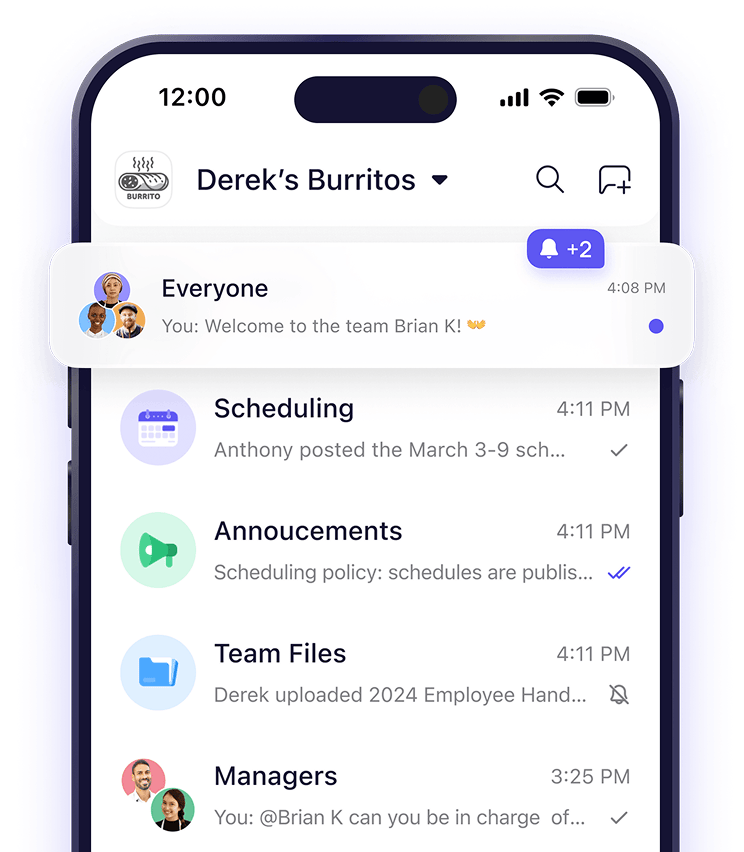
Modern employee management increasingly involves technology. Digital scheduling systems help avoid conflicts and ensure compliance with labor laws. Communication apps allow managers to send updates and announcements to the whole team. Time-tracking software reduces errors and disputes. Performance management platforms help track goals and feedback.
For shift-based businesses, mobile-first tools are essential because neither managers nor employees are sitting at computers. Being able to handle scheduling, communication, and basic HR functions from a smartphone makes employee management more efficient.
Managing in High-Stress Environments
Shift-based businesses often involve high-stress situations: rush periods, difficult customers, equipment failures, call-outs that leave you short-staffed. Employee management in these environments means staying calm under pressure, making quick decisions with imperfect information, supporting your team while keeping operations running, and handling your own stress without taking it out on employees.
The best managers model the behavior they want to see. If you lose your cool during a rush, you can't expect your team to stay calm. If you cut corners on policies when you're busy, you can't hold employees accountable for following those same policies.
Balancing Operational and People Needs
The constant tension in employee management is balancing the business needs with the human needs of the employees. Neither can be entirely sacrificed for the other.
This balance is where employee management becomes an art rather than just a checklist of tasks. Sometimes you need to be firm about business requirements. Other times you need to be flexible to keep a good employee. Knowing which situation you're in requires judgment that develops with experience.
Employee management is the foundation of operational success in shift-based businesses. It's not glamorous work, and it often happens in brief moments between handling other urgent issues. But done well, it creates stable teams, reduces turnover, improves customer experience, and makes the manager's own job easier over time. The managers who excel at employee management combine operational competence with genuine care for their people, creating environments where employees can succeed while meeting business needs.