Employee rewards are tangible or financial items you give to your team members in recognition of their performance, achievements, or contributions. For managers running restaurants, retail stores, healthcare facilities, or service businesses, rewards serve as powerful tools for acknowledging hard work, reinforcing desired behaviors, and showing employees they're valued beyond their basic compensation.
The distinction between rewards and your regular compensation structure matters. Base pay and benefits are what employees earn simply by fulfilling their job requirements. Rewards are extras that recognize something special: exceptional performance, reaching milestones, demonstrating company values, or going above and beyond normal expectations.
The Strategic Purpose of Rewards
Frontline work can feel thankless. Your servers, retail associates, nursing assistants, and delivery drivers often face difficult customers, physical exhaustion, and repetitive tasks without much acknowledgment. Rewards interrupt this pattern by saying "we noticed what you did, and it mattered." That recognition addresses deep human needs for appreciation and respect that paychecks alone can't satisfy.
Rewards also shape workplace culture by making your values visible. When you reward punctuality, you signal that reliability matters. When you recognize excellent customer service, you emphasize that interactions with customers define your business. When you celebrate teamwork, you reinforce collaboration over individual glory. Every reward tells a story about what your organization prizes.
According to a 2024 Gallup survey, employees who feel adequately recognized are 73% less likely to feel burned out. For industries where burnout drives high turnover, strategic use of rewards becomes not just nice to have but operationally essential. The right recognition at the right time can be the difference between an employee staying or starting their job search.
Categories of Effective Rewards
Monetary rewards provide immediate, tangible value that employees appreciate. Bonuses, gift cards, and cash awards fit this category. These rewards carry obvious benefits: everyone can use money, and the value is unmistakable. The challenge with purely monetary rewards lies in their transactional nature. Once spent, they're forgotten, creating limited lasting impact on motivation or loyalty.
Non-monetary rewards create memorable experiences and emotional connections. Tangible items like trophies, plaques, company merchandise, or prizes serve as physical reminders of achievements. The best tangible rewards balance perceived value with lasting significance. A quality item displayed with pride reinforces positive feelings about the recognition every time the employee sees it.
Recognition programs can cost little or nothing, but they make a significant impact. Employee of the month programs, features in company communications, shoutouts during team meetings, or special parking spots all provide recognition without substantial expense. The key is making recognition feel genuine and meaningful rather than perfunctory or forced.
Designing Your Reward Strategy
The most effective reward programs combine multiple types of recognition, creating layers of appreciation that appeal to different people and situations. Some employees value public recognition, others prefer private acknowledgment. Some respond strongly to cash, others to experiences or prizes. Your reward strategy should include various options that let you match the reward to the individual and the achievement being recognized.
Frequency and spontaneity both play important roles. Scheduled rewards like annual bonuses or quarterly recognition create anticipation and structure. Unexpected rewards for exceptional moments create excitement and demonstrate that management pays attention. Balance predictable programs with surprise acknowledgments to maintain energy and engagement.
Peer-to-peer recognition empowers your team to appreciate each other, creating a culture of mutual support rather than top-down control. When communication tools make it easy for employees to send kudos or thanks to coworkers, recognition becomes woven into daily interactions. Management-driven rewards maintain their importance, but peer recognition adds authenticity and frequency that managers alone can't achieve.
Implementation That Works for Frontline Teams
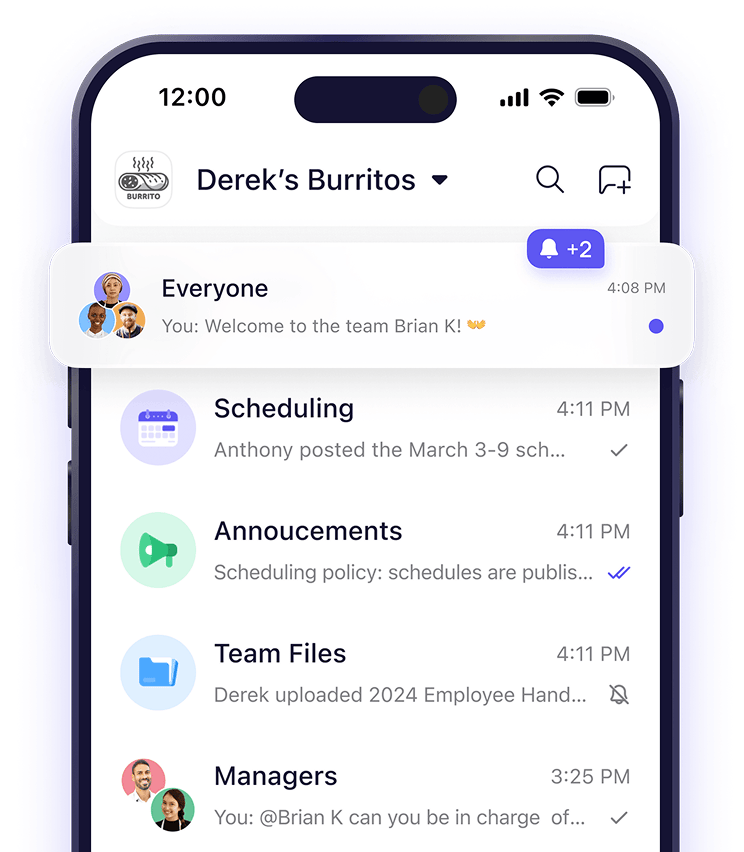
Your reward programs need to account for the realities of shift work and limited technology access. Recognition delivered through email reaches office workers but misses your team members who don't check work email regularly or at all. Mobile-first tools that put recognition in the palms of your employees' hands ensure everyone participates and benefits.
Clear criteria for earning rewards prevent perceptions of favoritism and make programs feel fair. If your employee of the month selection process seems subjective or mysterious, cynicism replaces motivation. Transparent standards and consistent application build trust in your reward systems.
Budget constraints are real, especially for businesses operating on thin margins. You don't need expensive programs to make employees feel valued. Research from the Society for Human Resource Management found that organizations with recognition programs had 31% lower voluntary turnover rates, suggesting that even modest investments in rewards generate returns through improved retention.
Integration with Your Broader Recognition Ecosystem
Employee rewards function as one component of your overall approach to employee incentives and motivation. Performance-based incentive pay might drive specific business outcomes through financial motivation. Tangible rewards provide physical recognition of achievements. Awards and prizes celebrate exceptional contributions. Together, these tools create a comprehensive system that keeps your team engaged, appreciated, and committed to your organization's success.
The most successful businesses don't view rewards as isolated programs but as integrated elements of corporate culture. Recognition becomes part of how you operate, not something tacked on separately. When appreciation flows naturally through your communication channels, appears regularly in team interactions, and connects clearly to your business values, rewards fulfill their deepest purpose: making employees feel valued as individuals who matter to your organization's success.