More than three in four employees who resign voluntarily could have been retained by their organizations, according to SHRM research, yet 71% of organizations lack a formal offboarding process. Exit interviews provide the insights needed to prevent future departures.
Departing employees often provide more candid feedback than current staff. In an analysis of over 17,000 exit interviews, 63% of former employees rated their employer as very good or excellent, showing that exit feedback is typically balanced rather than purely negative. Additionally, more than half of departing employees indicated that in the three months before leaving, neither their manager nor any other leader discussed their job satisfaction or future, representing a missed opportunity to address concerns early.
The Turnover Problem: By the Numbers
Approximately 3.2 to 3.4 million workers voluntarily left their jobs each month during the first four months of 2025. Turnover varies dramatically by industry, with restaurant and hospitality sectors facing particularly large challenges.
The average annual restaurant industry turnover rate is 79.6% over the past 10 years. Hourly employees in limited service restaurants reached 135% turnover in Q3 2024, while full service restaurants saw 96%. Front-of-house and back-of-house positions experience 41-43% annual turnover, while management sees around 28%. Fast-food restaurants face the highest rates, reaching 150%.
Nearly 3 million people left leisure and hospitality roles between January and April 2024, representing 204% above the national average quit rate.
Why Frontline Workers Leave:
SHRM research shows 74% of HR professionals cite poor compensation as the top exit reason. In restaurants specifically, 47% of departing employees cite poor hourly pay, while 44% say lack of recognition for their work drives them to quit. Additional factors include limited career growth (37% cite lack of upward mobility), poor management, and burnout from physical demands, unpredictable schedules, and understaffing.
The True Cost of Turnover
Gartner analysis finds that each voluntary exit costs organizations an average of $18,591, not including lost productivity or knowledge transfer. SHRM reports it costs 6 to 9 months of an employee's salary to replace them. For an employee earning $60,000 annually, replacement costs range from $30,000 to $45,000.
Replacement costs vary by role: entry-level employees cost 30-50% of annual salary to replace, mid-level employees cost 125-150%, and highly specialized employees can cost up to 400%.
For hourly frontline workers, SHRM estimates the cost to replace a minimum wage worker averages $1,500. In restaurants, average hard costs to replace hourly staff reached $2,305, with managers costing $10,518 and general managers $16,770.
Beyond recruitment and training, turnover creates lost productivity (new hires can take up to two years to become fully productive), knowledge loss, team disruption (39% of HR managers cited missed deadlines as a significant impact), inconsistent customer service, and decreased morale among remaining employees.
Participation Rates: Method Matters
Not all exit interviews are created equal, and the method significantly impacts whether departing employees will participate.
According to research on exit interview participation rates, passive methods like online or paper surveys have the lowest participation rates of around 30%. Involving a human being in the process increases the average participation rate to 50%. Outsourcing the exit interview process achieves the highest participation rates of 90% or more.
Who conducts the interview also matters. If the direct manager conducts the interview, only 26% of organizations achieve completion rates of 90% or more. If junior or administrative HR staff conduct the interview, only 31% achieve completion rates over 90%. HR Managers, indirect managers, and outsourced consultants achieve higher participation.
A survey indicated that 75% of companies adopting online systems reported higher participation rates in exit interviews compared to previous in-person formats, suggesting that offering multiple methods may optimize participation.
Best Practices for Conducting Exit Interviews
Timing Is Critical:
Studies show that exit interviews conducted two to six weeks after termination yield richer, more balanced insights. Conducting interviews immediately upon departure captures emotional reactions rather than thoughtful reflection, while waiting beyond 30 days diminishes accuracy.
Ensure Neutrality:
Seven in 10 US workers would leave their role because of a bad manager, making it essential that direct managers not conduct exit interviews. HR representatives, second-line managers, or third-party consultants create the neutral environment needed for candor. Gallup found that 24% of leavers experienced hostility from their manager during the exit process.
Use Standardized Questions:
Develop consistent questions asked to all departing employees to identify trends. Cover reasons for leaving, relationship with management, workplace and team culture, compensation, career development, work-life balance, onboarding experience, what would have made them stay, organizational strengths, and recommendations. For shift workers, include questions about scheduling practices, shift availability, recognition, and safety.
Emphasize Confidentiality:
Make clear how feedback will be used and what confidentiality applies. Explain that responses will be aggregated to identify patterns, not used to single out individuals.
Make Participation Optional:
While encouraged, exit interviews should always be voluntary. Forcing participation reduces honesty and can create negative final impressions.
Keep It Concise:
Limit interviews to 10-12 questions and no more than an hour to maintain engagement and respect the departing employee's time.
Common Mistakes to Avoid
Treating It as a Formality:
Many organizations conduct exit interviews to check a box without genuinely acting on feedback. One of employers' biggest mistakes is failing to act on the insights provided. Collecting feedback without follow-up signals that employee input doesn't matter.
Getting Defensive:
HR professionals must listen without arguing or becoming defensive, even when feedback seems unfair. The goal is gathering honest impressions, not debating accuracy.
Focusing Only on Negatives:
Capture both problems and organizational strengths. Understanding what works well helps maintain positive practices and provides recruitment talking points.
Asking Leading Questions:
Questions should be neutral and open-ended, avoiding loaded phrasing that suggests desired answers.
Lack of Preparation:
Review the departing employee's file and performance history beforehand. This preparation identifies relevant discussion areas and shows their contributions are valued.
Turning Data Into Action
Exit interview feedback only creates value when organizations use it to drive change.
Look for Patterns:
Individual complaints might reflect personal situations, but when multiple employees cite the same issues, systemic problems exist. Track specific managers repeatedly mentioned negatively, departments with unusually high turnover, compensation concerns for particular roles, schedule unpredictability feedback, inadequate training mentions, and patterns in why high performers leave.
Share Insights With Leadership:
Present aggregated findings to leadership with specific, actionable recommendations about compensation structures, management training, career development programs, and workplace policies.
Close the Loop:
Communicate to current employees what changes result from exit interview feedback. When staff see that departed colleagues' input led to real improvements, they're more likely to share concerns before resigning.
Benchmark Against Industry:
Compare turnover rates and findings against industry averages. If your restaurant's turnover is double the industry average, investigate what competitors do differently. For shift-based businesses, pay particular attention to scheduling feedback, since 82% of shift workers say their schedule makes spending meaningful time with families difficult.
Creating a Culture of Retention
Exit interviews are valuable, but preventing turnover is better than understanding it after employees leave. Organizations that create environments where concerns are raised and addressed before employees resign see significantly better retention.
This requires regular manager check-ins, anonymous pulse surveys, clear career paths, competitive compensation, recognition programs, flexible scheduling when possible, training investment, and responsive leadership that acts on feedback.
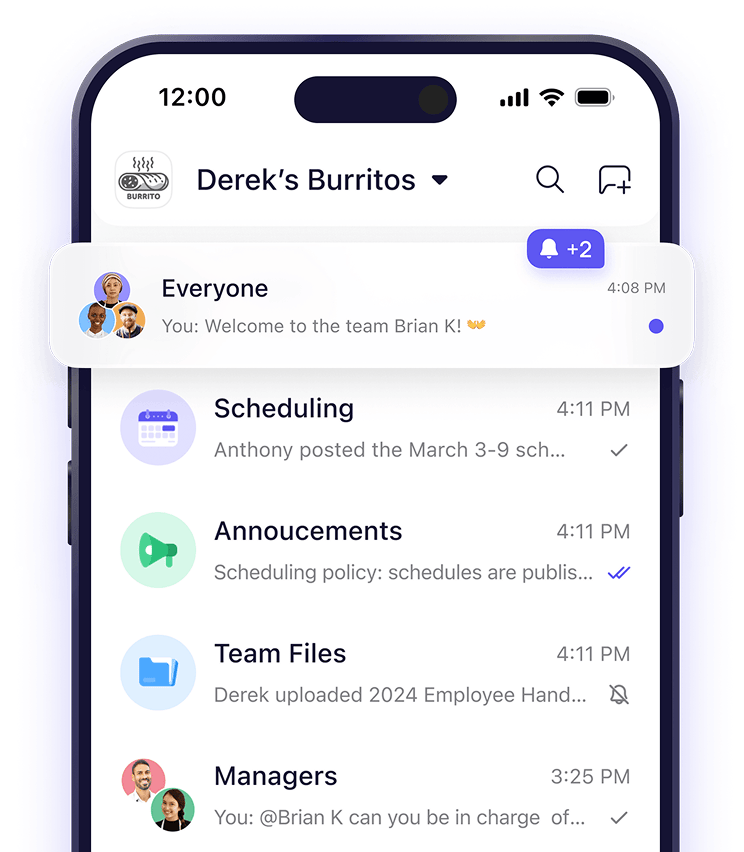
For businesses with hourly and shift workers, accessible communication platforms that enable transparent dialogue between employees and management help surface issues early. When team members can easily request schedule changes, swap shifts, and provide feedback, small problems get resolved before becoming resignation drivers.
Learning From Loss
Exit interviews represent organizations' final opportunity to learn from employees and improve conditions for those who remain. With over half of all U.S. workers either open to or actively looking for new employment, understanding and addressing turnover drivers has never been more critical.
For industries like restaurants and retail where turnover costs exceed $2,300 per hourly employee and frontline workers are constantly in demand, effective exit interviews and retention strategies directly impact profitability. The most successful organizations treat exit interviews as part of a comprehensive retention strategy. Use these insights to create workplaces where employees want to stay, while maintaining open channels for honest feedback throughout the employee lifecycle.