An internal job board is a dedicated platform or space where current employees can view and apply for open positions within their organization before those positions are advertised externally. It serves as the central hub for internal recruitment, making all available opportunities visible to the entire workforce in one location.
For multi-location businesses, an internal job board ensures employees across all sites have equal access to career advancement opportunities. According to LinkedIn workforce research, companies with active internal job boards see 30% higher internal mobility rates and 17% longer employee tenure compared to organizations that communicate openings informally.
Why Digital Internal Job Boards Beat Old Methods
Traditional approaches to internal posting create inequities. Bulletin board postings in the main location leave satellite site employees unaware of opportunities. Email announcements get buried or missed by employees who don't check email regularly. Manager word-of-mouth creates insider advantages for well-connected staff while others never hear about openings.
A centralized internal job board puts everyone on equal footing. The housekeeper at your furthest location sees the same opportunities at the same time as the supervisor at headquarters. Night shift employees access postings on the same timeline as day shift staff. Part-time workers browse opportunities just like full-timers.
Digital job boards also provide better candidate experience. Employees can browse open positions on their own schedule, review full job descriptions and requirements before deciding to apply, submit applications electronically without hunting down paperwork, and track their application status without repeatedly asking HR.
Essential Features for Effective Internal Job Boards
Position information should be comprehensive. Include the same level of detail you'd provide external candidates: complete job descriptions, minimum and preferred qualifications, location and schedule requirements, salary range or pay grade, reporting structure, and application deadline. Don't assume internal candidates know details just because they work here.
Search and filter functionality helps employees find relevant opportunities quickly. Common filters include location, department, position type (full-time/part-time), shift requirements, and minimum qualifications. Someone working at your east side location who wants to relocate closer to your west side location should be able to filter for that geography easily.
Application tracking gives employees transparency into where they stand. Can they see that their application was received? Do they get notified when it moves to the interview stage or when a decision is made? This visibility reduces anxiety and the volume of status inquiries to HR.
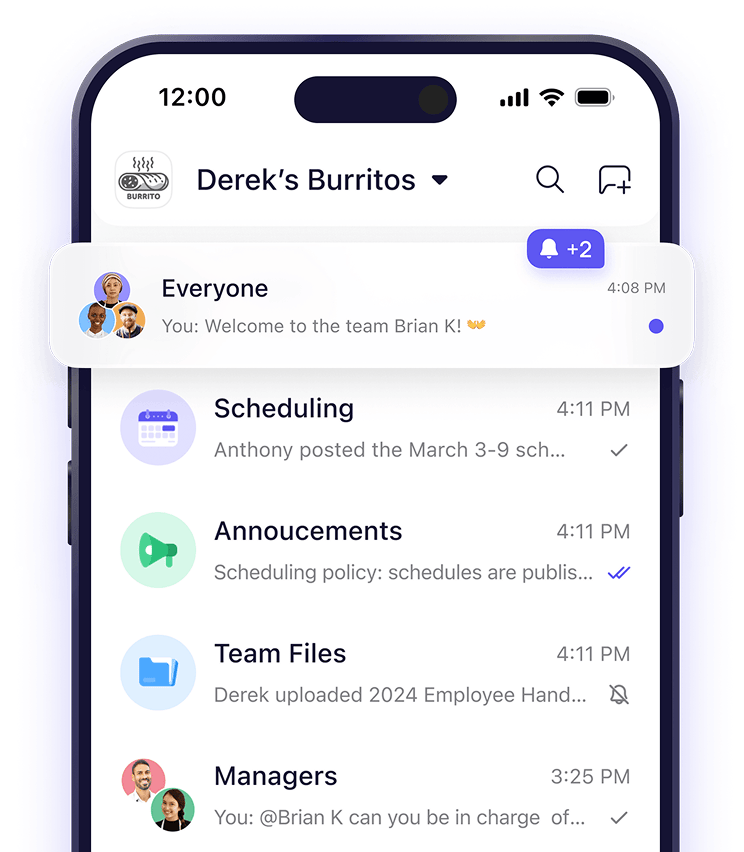
Mobile access matters for hourly workforces. Employees who don't sit at computers all day need to access the job board from their phones. Mobile-optimized or app-based job boards ensure everyone can browse opportunities during breaks or from home.
Populating Your Internal Job Board
All appropriate positions should appear on the internal board, not just select openings. Inconsistent posting creates suspicion that some jobs are reserved for insiders or that the board isn't really the source for opportunities. If a job is open and internal candidates are eligible to apply, post it.
Post timing matters. Internal postings should appear simultaneously across all locations and communication channels. Avoid situations where corporate headquarters employees learn about an opening a week before field locations see it. Simultaneous posting prevents rumors of favoritism.
Keep postings current by removing filled positions promptly and updating status when positions move from internal-only to external posting. A job board filled with outdated listings trains employees to ignore it. Fresh, accurate information maintains credibility.
Include context about why the position is open when relevant. "This role is open due to a promotion" signals opportunity for advancement. "This newly created position supports our expansion into evening services" explains growth. Transparency about backfill versus new roles helps employees understand organizational dynamics.
Integrating Job Boards with HRIS Systems
The best internal job boards integrate with your HRIS or applicant tracking system rather than existing as standalone tools. Integration enables single-click applications using profile data already in the system, automatic routing of applications to hiring managers, tracking metrics on internal application and hire rates, and consistent data across HR systems.
Integration also enables employee self-service. Employees can update their profiles with new certifications, changed availability, or additional skills, making them stronger candidates for future postings. This self-maintained data helps hiring managers identify qualified internal candidates.
Automated notifications keep employees engaged. Alert employees when new positions matching their stated interests are posted. Remind them of upcoming application deadlines for positions they've viewed. Notify them of application status changes. These touchpoints keep internal hiring top of mind.
Encouraging Internal Job Board Usage
Many employees don't realize internal mobility is encouraged or don't know where to find postings. Regular communication about the job board's existence and purpose helps. Mention it during onboarding. Reference it in performance reviews when discussing career development. Include a link in regular employee communications.
Feature success stories of employees who advanced through internal postings. "Congratulations to Maria, who started as a server three years ago and was just promoted to assistant general manager through our internal job board." These examples make career paths concrete and encourage others to explore opportunities.
Train managers to direct employees to the job board when career development conversations arise. Instead of vaguely saying "we'll keep you in mind if something comes up," managers should say "check the internal job board weekly to see what's posted, and let me know if you find something interesting so we can discuss if it's a good next step for you."
Remove stigma around applying for internal positions. Some workplace cultures treat internal applications as disloyal to your current manager. Actively communicate that exploring opportunities is encouraged and won't impact your current role or relationship with your manager.
Measuring Internal Job Board Success
Track utilization metrics including unique visitors to the job board, applications submitted per posting, application-to-interview ratio for internal versus external candidates, and internal hire rate as percentage of total hires. These metrics reveal whether employees are engaging with the system and whether internal hiring is actually occurring.
Quality of hire matters as much as volume. Do internally sourced hires perform well in their new roles? Do they stay in the position longer than external hires? Do hiring managers report satisfaction with internal candidates? Quality metrics validate that internal mobility produces strong outcomes.