An internal job posting is a job vacancy that is advertised exclusively or initially to current employees within your organization before considering external candidates. It gives existing staff first opportunity to apply for promotions, transfers, or new roles, supporting career development and internal mobility while potentially reducing hiring time and costs.
For businesses with multiple locations and high turnover, internal postings help retain talented employees by showing them career paths beyond their current positions. According to SHRM workforce planning research, organizations with active internal mobility programs report 41% longer average employee tenure compared to those that primarily hire externally for all positions.
Why Internal Posting Matters
Internal candidates already understand your culture, systems, and expectations. They know how you operate, what standards you maintain, and how to work with your existing team. This knowledge advantage means shorter onboarding, faster productivity, and lower risk of culture misfit compared to external hires who need to learn everything from scratch.
Posting opportunities internally demonstrates that you invest in employee development and career growth. When your servers see former servers promoted to management, or when your CNAs see career paths to unit coordinators, they understand that advancement is possible. This visible mobility motivates performance and increases retention.
Internal hiring often moves faster than external recruiting. You skip the sourcing phase because your candidates already work here. Application screening takes less time because you have real performance data beyond resume claims. Background checks are often unnecessary since the person already works for you. According to LinkedIn hiring data, internal hires average 23 days from posting to offer versus 39 days for external hires.
Cost savings from internal hiring add up. You spend less on job board postings, recruiting firm fees, and advertising. You invest less interviewing time by screening fewer unknown candidates. You reduce onboarding costs because the person already knows your systems. You avoid vacancy costs by filling positions faster.
When to Post Internally First
Many organizations require internal posting before external recruitment for all non-executive positions. This policy ensures employees always get first consideration. The internal posting runs for a defined period (typically one to two weeks) before opening externally. This approach works well when you have sufficient internal talent pools.
Some companies post internally and externally simultaneously. This parallel approach speeds hiring but requires careful handling to avoid making internal candidates feel like second-class applicants when external candidates also interview. Be transparent that you're conducting both internal and external searches.
Certain roles warrant internal-only posting. Supervisor and management positions often benefit from promoting proven performers who already understand the operation. Leadership roles require cultural knowledge and established relationships that external candidates lack. Sensitive positions handling confidential information or managing long-term projects might require the trust that comes from a proven track record.
Skip internal posting when you specifically need outside perspective, when your internal pool genuinely lacks qualified candidates, when you're expanding into new services requiring expertise you don't have internally, or when you've recently posted the same position internally without qualified applicants. Don't waste internal candidates' time with postings you know won't result in internal hires.
Creating Effective Internal Job Postings
Write the job descriptions for internal postings differently than external ones. Internal candidates already know your organization, so skip the company description. Focus on what's different about this role compared to what internal candidates currently do. A server applying for shift supervisor needs to understand the expanded responsibilities, not what your restaurant serves.
Be explicit about requirements that might disqualify current employees. If the position requires opening availability and an applicant currently works only closing shifts, state that clearly. If it requires specific certifications that candidates would need to obtain before starting, spell that out. Internal candidates should self-screen just like external ones.
Include compensation range in internal postings. Current employees will research or ask about pay anyway. Transparency about what the role pays helps qualified candidates apply while discouraging applications from people seeking raises without actually wanting the job's expanded responsibilities.
Clarify whether the position is a promotion, lateral move, or in some cases even a step down. A night shift supervisor moving to a day shift supervisor role might technically be a lateral transfer, but if day shift is preferred in your operation, it's actually advantageous. Frame the opportunity accurately.
Managing the Internal Application Process
Use the same application process for internal and external candidates to ensure fair evaluation. Just because someone already works here doesn't mean they should skip submitting materials. An application form or updated resume gives you documented information to evaluate objectively.
Establish minimum qualifications that are truly job-related. Don't require arbitrary tenure like "must have worked here for one year" unless that time period correlates with necessary knowledge or skill development. Artificial barriers that exclude qualified candidates waste internal talent.
Communicate clearly with internal applicants throughout the process. Let them know when you received their application, when they can expect to hear about next steps, and whether they're advancing to interviews. Internal candidates continue working for you regardless of the hiring outcome, so respectful communication matters even more than with external applicants.
Interview internal candidates just like external ones. Don't skip interviews assuming you already know them. The interview evaluates fit for the new role, not performance in their current position. Use the same structured questions and evaluation criteria you'd use for any candidate. Document your assessment just as thoroughly.
Handling Internal Candidate Rejections
Declining internal candidates requires more care than external rejections. This person continues working for you, possibly in close proximity to whoever gets the job. Poor handling damages the employee's engagement, potentially prompting their departure and creating resentment on your team.
Provide specific developmental feedback when rejecting internal candidates. Don't just say "we selected someone else." Explain what skills or experience gaps prevented their selection and what they could develop for future opportunities. This feedback transforms disappointment into a development plan.
Meet with unsuccessful internal candidates in person when possible. A rejection email feels impersonal and dismissive to someone who's invested in your organization. A face-to-face conversation shows respect and allows for two-way dialogue about their career goals.
Watch for retaliation or differential treatment after rejections. Managers sometimes unconsciously punish employees who applied elsewhere in the organization. Monitor to ensure the rejected applicant receives the same scheduling, assignments, and opportunities as before they applied.
Supporting Internal Mobility
Make information about internal openings easily accessible. An internal job board on your intranet, employee app, or break room bulletin board ensures everyone sees opportunities. Posting in only one location or relying solely on word-of-mouth creates unfair advantage for well-connected employees.
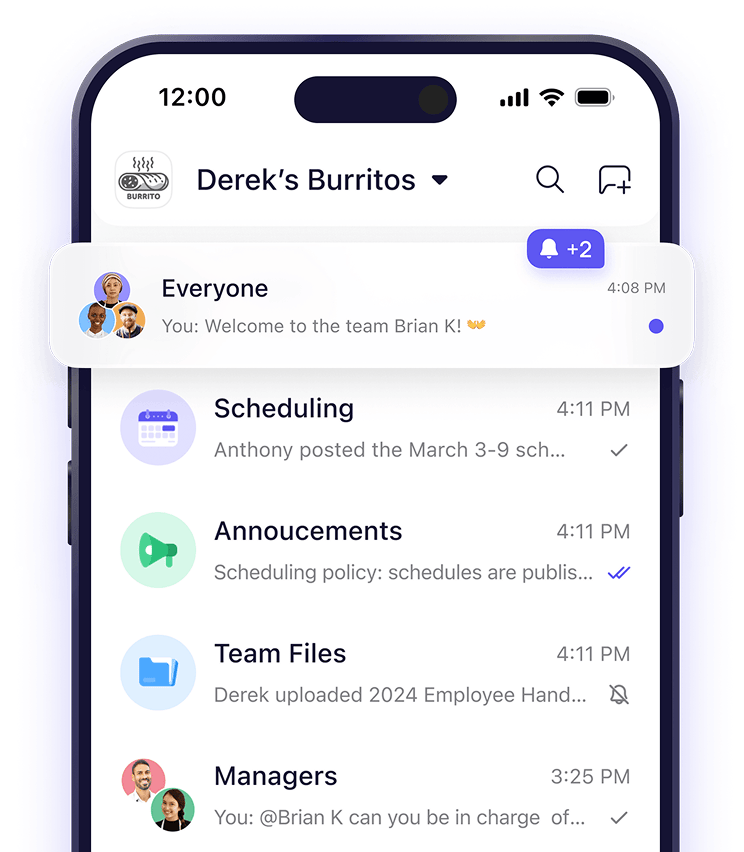
Announce new internal postings through multiple channels. Send announcements via email, post in team communication platforms, and mention during staff meetings. Not everyone checks bulletin boards daily or monitors email consistently.
Remove barriers to internal application. Don't require employees to notify their current manager before applying elsewhere internally. This requirement gives managers veto power over employee career development and discourages applications. Let employees explore opportunities confidentially.
Train managers to support internal mobility rather than hoarding talent. Some managers deliberately hide opportunities from their best performers or discourage applications to avoid losing good employees. This behavior ultimately drives those employees to quit entirely rather than just transfer internally.
When teams stay connected through centralized communication tools, employees across locations learn about opportunities they might not otherwise hear about. Visibility into different departments and roles helps people identify career paths they hadn't considered.