Job shadowing is a training and assessment method where one person observes and follows an experienced employee through their regular workday to learn about the role's actual duties and requirements. The observer watches how work gets done, asks questions, and develops realistic understanding of what the job entails without yet performing the tasks independently.
For hourly positions with high turnover, job shadowing serves multiple purposes. It helps candidates self-select before accepting offers. It accelerates onboarding for new hires. It prepares current employees for promotions. According to Department of Labor apprenticeship research, structured on-the-job learning including shadowing reduces first-year turnover by up to 30% compared to sink-or-swim training approaches.
Using Job Shadowing in the Hiring Process
Pre-hire job shadowing lets candidates see reality before committing. A restaurant might invite final-round candidates to shadow a server during a Friday dinner rush. The candidate experiences the pace, noise level, physical demands, and interpersonal dynamics firsthand. Candidates who find the environment overwhelming can withdraw. Those who thrive in the chaos demonstrate they understand what they're signing up for.
This realistic job preview reduces early turnover from unmet expectations. Someone who thinks serving tables looks easy from the customer side discovers the complex choreography of managing multiple tables, memorizing menu details, handling special requests, coordinating with kitchen staff, and staying upbeat when customers are demanding. Better to discover this mismatch during shadowing than after orientation.
Job shadowing also gives you assessment data beyond the interview. You can observe how the candidate interacts with your current team, how they handle the environment (do they look engaged or overwhelmed?), what questions they ask (do they show genuine curiosity or just go through the motions?), and whether they demonstrate basic customer service instincts even while just observing.
Structuring Effective Shadowing Experiences
Choose the right shadow host carefully. You want someone who performs the job well, communicates clearly, follows proper procedures, and represents your culture positively. Your best technical performer isn't necessarily your best shadow host if they can't explain their work or lack patience for questions.
Set clear expectations with both the shadow and the host before the experience starts. Tell the candidate what to observe, what they're allowed to do, what questions they should ask, and how long the shadowing will last. Tell the host to explain what they're doing and why, pause to answer questions, point out important details that might not be obvious, and be patient with interruptions.
Time the shadowing appropriately. Two hours during a slow Tuesday afternoon won't give accurate insight into a high-volume weekend role. At minimum, shadow during representative conditions. Ideally, split shadowing across different times or conditions so the person sees the full spectrum of the work.
Safety and compliance matter during shadowing. Make sure observers don't handle food without proper training and certification, don't operate equipment they're not authorized to use, don't access confidential information or restricted areas, and stay out of the way when things get hectic. A shadowing participant is typically not yet an employee, so they're not covered by workers' comp if injured.
Job Shadowing for New Hire Onboarding
New employee shadowing should be progressive. Day one might be pure observation: "Today you're going to watch Sarah work a full shift. Your only job is to observe and ask questions." Day two might add simple assists: "Today you'll shadow Mark, and you can help with basic tasks like clearing tables while you observe the full service cycle." Day three might shift to supervised practice: "Today Lisa will shadow you while you take the lead on tasks we've covered."
This scaffolded approach builds confidence systematically. The new hire isn't thrown into independent work before they're ready, but they're also not passive for so long that they get bored or feel useless. The progression from watching to helping to doing (with observation) gives them multiple learning modes.
Document what should be covered during shadowing periods. A checklist for new CNA shadowing might include: resident room assignments and care plans, morning routine and personal care procedures, medication assistance protocols, documentation requirements, meal service and feeding assistance, mobility and transfer techniques, working with the nursing team, emergency procedures and who to notify. The shadow host can check off topics as they're demonstrated.
Cross-Training Through Job Shadowing
Job shadowing supports lateral development and flexibility. Your host shadows your server for a shift to learn front-of-house operations. Your line cook shadows your prep cook to understand the morning setup that makes dinner service possible. This cross-training builds empathy between roles and creates backup capacity.
Cross-functional shadowing helps employees understand how their work affects others. When your medical assistant shadows your billing coordinator, they learn why accurate documentation of procedures matters. When your retail stock clerk shadows your sales floor team, they see why organized backstock and clear labeling make customer service faster.
Promotion preparation through shadowing makes internal transfer smoother. Before promoting a strong server to shift supervisor, have them shadow your current supervisors for several shifts. They observe how supervisors handle staff scheduling issues, mediate conflicts, deal with difficult customers, make operational decisions, communicate with management, and shift between hands-on work and oversight. This preview helps candidates decide if they actually want the promotion and prepares them for success if they accept.
Managing Job Shadowing Logistics
Compensation for shadowing depends on employment status. If the person is already an employee shadowing a different role, pay them for shadowing time. If they're a candidate not yet hired, shadowing is generally unpaid as long as they're truly observing rather than performing productive work. Check Department of Labor guidelines on when observation becomes work requiring payment.
Scheduling shadowing requires coordination. You need the shadow host available, the shadowing participant available, representative working conditions, and ideally not your absolute busiest times when stopping to explain things disrupts operations. Build shadowing time into your schedule planning rather than squeezing it in around normal operations.
Safety equipment and temporary access create logistical details. Does the observer need non-slip shoes, a hairnet, a visitor badge, or a temporary system login? Address these requirements before the shadowing starts to avoid delays or safety issues. If the shadowing involves food handling areas or clinical spaces, health regulations may require additional clearances even for observers.
Common Shadowing Mistakes to Avoid
Shadowing without structure wastes everyone's time. Simply telling someone to follow another person around for a day without objectives, guidance, or debrief produces minimal learning. Define what the observer should pay attention to and what the host should demonstrate.
Using poor performers as shadow hosts because they're available teaches bad habits. If you wouldn't want the new person to emulate the shadow host's work style, don't use that person for shadowing. It's worth rescheduling to get the right host rather than proceeding with whoever is convenient.
Excessive shadowing duration creates diminishing returns. After you've observed something demonstrated three times, watching a fourth repetition adds little value. Once someone has observed enough to understand the role, move them into coached practice. Extended passive observation becomes boring and demotivating.
Failing to debrief after shadowing misses the teaching opportunity. Take 15 minutes after shadowing to ask what the observer noticed, what surprised them, what questions they have, and what they learned. This reflection cements the learning and surfaces misconceptions before they become problems.
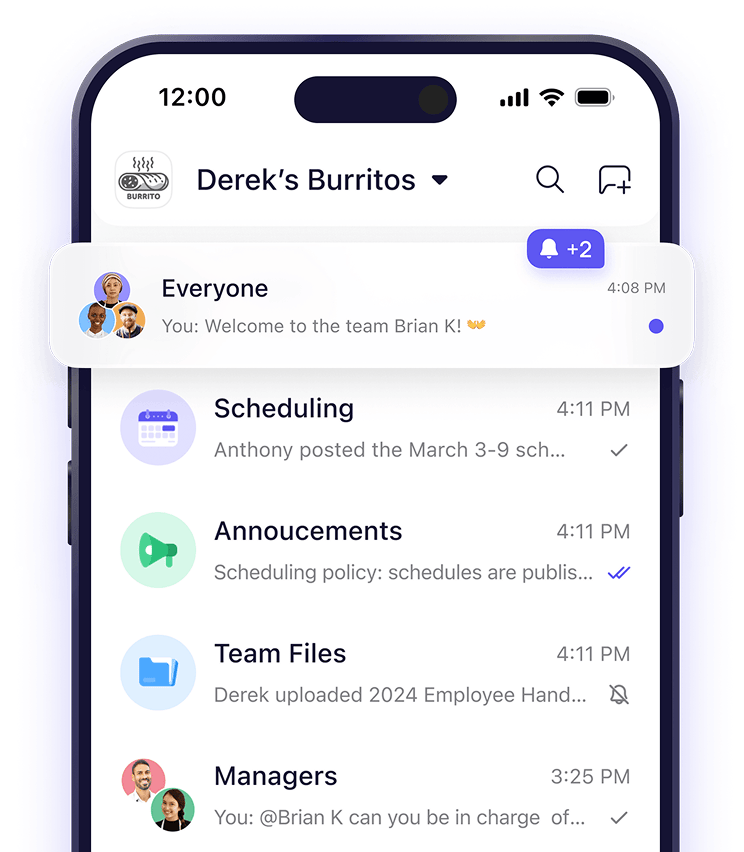
Tools that keep distributed teams connected complement job shadowing's in-person learning. When new hires can quickly message questions to their shadow host after the formal shadowing ends, or when employees can access training resources and schedules from anywhere, it extends the support that shadowing provides.