
It's mid-May and your summer bookings are looking strong. Really strong. You'll be running at 92% occupancy for ten straight weeks starting July 1st. Great news, except you're already short-staffed at baseline and about to need 40% more labor hours than you currently schedule.
76% of surveyed hotels report staffing shortages, with the most critical need being housekeeping. For 50% of hotels, it is their top hiring challenge. The situation worsened from January to May 2024, when fewer hotels (67%) reported shortages. Now properties are attempting to fill an average of 7 job openings each, down from 9 earlier in the year but still critically understaffed.
This matters because seasonal demand creates a staffing vise. You need dramatically more people exactly when competition for staff is at its highest. Labor costs spike. Service quality suffers. Guest complaints increase. Your current staff burns out from covering too many shifts. And when peak season ends, you face a different problem: what to do with the surplus staff you hired.
The difference between properties that handle seasonal surges smoothly and those that barely survive comes down to preparation that starts months before, not weeks.
The timing trap that catches everyone
Most operators wait too long to begin peak season hiring. They watch the calendar, see demand ramping up in 6-8 weeks, and start posting job ads. By then, the competition has already snapped up available workers.
Nearly 3 million people left leisure and hospitality roles between January and April 2024, representing 204% above the national average quit rate. The ongoing churn means you're replacing constant turnover while simultaneously scaling up.
Here's how the timeline really works:
12-16 weeks before peak season, your best candidates are already employed elsewhere but potentially open to better opportunities. They're not actively job hunting, but a compelling offer would get their attention. This is when you want to identify potential hires, make contact, and plant seeds for summer positions.
8-12 weeks out, serious applicants start looking for seasonal work. Students are finalizing summer plans. Workers in other seasonal industries (like skiing or agriculture) are searching for next gigs. Parents seeking summer employment to align with kids' schedules are making decisions. Your competition is now actively recruiting this same pool.
4-8 weeks out, you're desperate and so is everyone else. The quality of available candidates drops significantly. You end up hiring people you wouldn't normally consider because you're out of options. These rushed hires often fail during training or quit within 2-3 weeks, costing you money and creating gaps during your busiest period.
2-4 weeks out, you're in crisis mode. Your peak season has basically started and you're still understaffed. You're pulling current employees into overtime, making scheduling errors from the pressure, and starting to see service failures that generate guest complaints.
Hospitality worker wages have risen about 30% on average in the last four years, with average hourly earnings increasing from $16.84 in January 2020 to $22.53 in January 2025, outpacing inflation by about 8.6%. Starting your recruitment late means competing against others offering these elevated wages.
The operators who succeed begin recruiting 12-16 weeks before they need staff on the floor. By the time peak season hits, their teams are already trained and ready.
The hiring strategy that fills positions fast
Traditional job postings don't work anymore. Posting on Indeed and hoping people apply is a losing strategy when 80% of hospitality operators have vacancies they can't fill.
Create an early commitment program where potential seasonal staff apply months in advance. Offer a $500-1000 signing bonus split into three payments: $250 when they commit to a start date, $250 after completing the first two weeks, $250 at end of season if they fulfill the full contract. This locks in staff before your competition even starts hiring.
Target specific talent pools rather than generic recruitment. College students returning home for summer break are a gold mine. They need work for the same 10-12 weeks that are busiest for hospitality. Reach out to career services offices at universities in January and February. Parents who work school-year jobs but have summers off are another untapped pool. Teachers and paraprofessionals need summer income. Retired workers who want seasonal engagement rather than full-time commitment can fill specific roles.
Build a returnee program with preferential rehiring for former seasonal staff. Track performance during past seasons. Reach out to top performers in January with first-right-of-refusal for summer positions. Offer returnees $1-2 per hour more than new hires since they're already trained. Annual hotel turnover is estimated at 70%, making returning workers incredibly valuable.
Partner with staffing agencies that specialize in hospitality. Yes, they charge 20-30% markup on labor costs, but they absorb the recruitment burden and often can provide staff within days when you hit emergency shortfalls. Use agencies as your safety valve, not your primary strategy.
Streamline your application process to take under 10 minutes. Every additional field you require drops completion rates by 10-15%. Ask for basic contact information, work availability, and relevant experience. Schedule phone screens within 24 hours of application. Conduct working interviews where candidates spend 2-3 hours on site performing actual job tasks. Make offers same-day to top candidates.
The property management industry is experiencing 9.8% compound annual growth, accelerated by technology adoption that makes operations smoother. Properties that integrate efficient hiring systems get their pick of candidates while others are still sorting through applications.
Scheduling for surge capacity without burning out your team
You've hired seasonal staff. Now you need to deploy them effectively without destroying morale among your year-round employees who've been carrying extra weight for months.
Implement variable scheduling with core and flex shifts. Year-round staff get guaranteed 30-35 hours weekly with consistent schedules. Seasonal staff fill variable hours based on occupancy. When occupancy hits 85%+, seasonal staff work 35-40 hours. When it drops to 75%, they work 25-30 hours. This flexibility prevents overstaffing during slower weeks while ensuring coverage during peak periods.
Use premium pay strategically to fill difficult shifts. Weekend nights, holiday coverage, and early morning shifts are hard to staff. Offer $3-5 per hour shift differentials and let staff opt in. You'll find people willing to work these hours for the extra money, and it's cheaper than permanent wage increases.
Create clear shift swap policies that empower staff to cover each other without manager involvement for every change. Use mobile scheduling apps where staff can post available shifts, and qualified coworkers can claim them with automatic manager notification. This reduces your administrative burden and gives staff schedule flexibility.
Build in recovery time for your year-round team. They've been running hard. Once seasonal staff are onboarded, give permanent employees scheduled weeks off or reduced hours to recover. This prevents burnout and recognizes their effort carrying the load during understaffed periods.
Track labor hours against revenue in real-time. Your target might be 25-30% of revenue going to labor costs. Monitor this weekly during peak season. If you're running 22%, you're probably understaffed and leaving money on the table from service failures. If you're at 35%, you're overstaffed for the demand level. Adjust scheduling within 3-5 days based on this data.
Only 13% of properties are currently classified as "severely understaffed", down from earlier in the year. The properties that reduced understaffing did so through strategic scheduling and better retention, not just throwing money at the problem.
The training timeline that prevents service failures
Seasonal staff can't show up day one and deliver the same quality as your experienced team. But you also can't afford 2-3 weeks of intensive training when you need them on the floor immediately.
Create modular training that gets people productive within 2-3 days while building deeper skills over 2-3 weeks. For housekeeping: day one covers safety procedures and how to clean a bathroom properly. They can start servicing rooms (with quality checks) by day two. Full guest room cleaning, stain removal, and special requests come over the next two weeks.
Pair seasonal hires with veteran staff for their first week. The experienced worker handles the complex tasks while the new hire assists and learns. Using onboarding buddies prevents bottlenecks from having completely new staff and accelerates skill development through on-the-job training.
Use video training modules that staff watch during onboarding and can reference later. A 5-minute video showing proper bed-making technique can be watched repeatedly, while verbal instructions are forgotten. Build a library of 20-30 short videos covering essential tasks. Staff watch core videos during their first two days, then refer to specialized videos as needed.
Implement skills-based progression where employees unlock new responsibilities by demonstrating competency. Start seasonal staff with simpler tasks (restocking carts, cleaning bathrooms, making beds). As they master basics, assign more complex work (full room cleaning, VIP preparations, special projects). This ensures quality while building confidence.
Run weekly refresher sessions during peak season. Schedule 15-30 minute meetings where you address common mistakes you've observed that week. Use actual examples (anonymous photos of errors) and demonstrate correct technique. This prevents quality drift as the season progresses and fatigue sets in.
47% of franchisees cite labor as their top issue, with 80% having vacancies they can't fill. The properties that maintain quality during growth prioritize structured training over hoping new hires figure it out.
The compensation strategy that attracts and retains seasonal workers
Money matters, but it's not the only thing that matters. The properties that successfully staff peak seasons offer compensation packages that address what seasonal workers actually want.
Average hotel wages hit an all-time high of $23.91 per hour as of December 2023, with wages increasing faster than the general economy since the pandemic. Offering below-market rates guarantees staffing problems.
Conduct a competitive wage analysis for your specific market. Call 5-10 comparable properties posing as a job seeker and ask about starting wages. Check Indeed, Glassdoor, and local job boards for advertised rates. Aim to pay 5-10% above the average to get the first pick of candidates. Yes, this costs more. But understaffing costs even more through service failures, overtime for existing staff, and manager burnout from constant coverage scrambles.
Offer graduated pay increases based on performance. Start seasonal workers at $18/hour. After 3 weeks with good performance evaluations, bump to $19/hour. After 6 weeks, bump to $20/hour. This rewards people for sticking around and performing well while giving you an out for those who don't meet standards.
Provide schedule flexibility that competitors don't. Let seasonal workers specify unavailable days upfront (family vacations, weddings, other commitments). Build schedules around these constraints rather than demanding 100% availability. You'll get better candidates who would otherwise not apply due to existing obligations.
Include performance bonuses tied to measurable results. For housekeeping: $50 bonus for zero guest complaints during their first month, $100 for zero complaints over the full season. For front desk: bonuses tied to positive review mentions. Make the criteria objective and achievable.
Add non-monetary perks that cost you little but have high perceived value. Free staff meals during shifts. Discounted hotel stays for employees and family at your properties (or reciprocal arrangements with other hotels). Early access to shift schedules so they can plan personal lives. These matter especially to younger workers and parents balancing multiple commitments.
40% of hospitality employees saw no pay raise in 2024, contributing to high turnover. Seasonal workers expect short-term roles, but they also expect fair compensation for demanding work.
Managing the end-of-season transition
Peak season ends. Demand drops. You suddenly have 30% more staff than you need. How you handle this transition determines whether those same workers will return next year and how your year-round staff view the organization.
Set clear expectations upfront about the seasonal nature of positions. Include specific start and end dates in offer letters. Remind staff monthly that their position concludes on a specific date. This prevents surprises and the disappointment that comes from believing the job might become permanent when it won't.
Offer first-right-of-refusal for permanent openings that arise during or after peak season. Maybe a year-round employee quit. Maybe you're expanding operations. Give your top seasonal performers the opportunity to transition before recruiting externally. This rewards strong performance and fills permanent positions with people you've already trained.
Conduct exit conversations with all seasonal staff during their final week. Ask what worked, what didn't, what would bring them back next year. Document this feedback. Use it to improve your next seasonal hiring cycle. The insights from people who just completed the experience are gold.
Create a talent pool database with performance notes on every seasonal worker. Rate them on reliability, quality, attitude, and teamwork. Next year, you have a pre-screened list to recruit from. Your strongest returning workers become the foundation of next season's team, reducing training burden and startup chaos.
Thank your year-round staff for carrying extra weight during the seasonal surge. Provide bonuses, extra PTO, schedule flexibility, or public recognition. They're the core of your operation. Seasonal staff come and go; retaining permanent employees matters more for long-term success.
65% of U.S. hoteliers still can't find enough workers despite a year of active hiring, but conditions improved from 76% earlier in the year. The improvement came from hotels that systematized their seasonal staffing approach rather than winging it every year.
The technology that makes seasonal surges manageable
Manual scheduling for seasonal spikes is a nightmare. You're juggling 50+ employees across varying availability, skill levels, and shift preferences. Technology can be the difference between barely functional and actually effective.
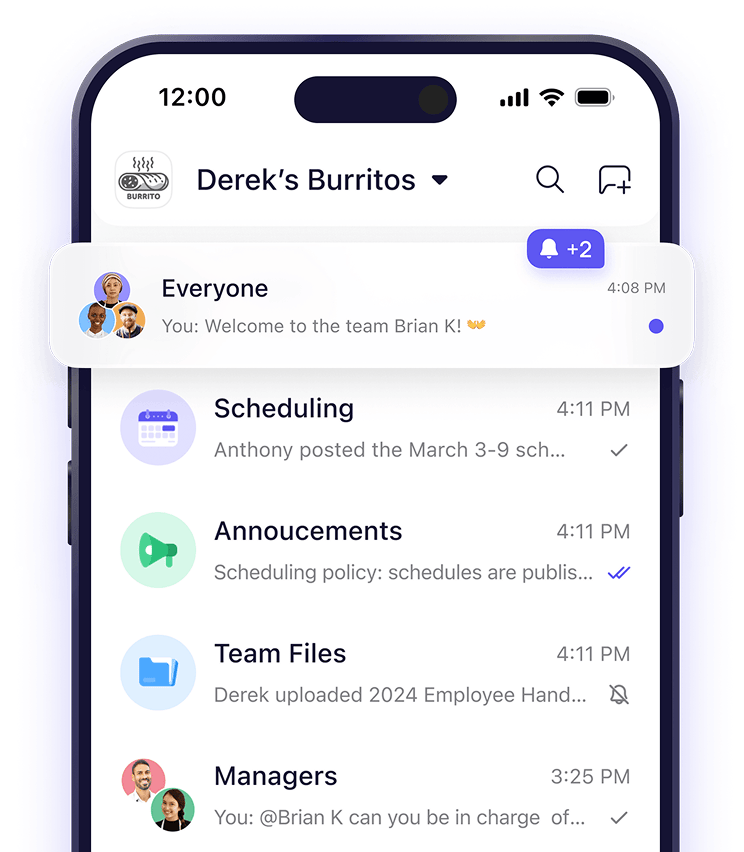
Implement mobile scheduling apps where staff view schedules, swap shifts, request time off, and pick up open shifts from their phones. This eliminates the endless texts and calls that eat your day during peak season. Managers approve requests with a tap. Staff get instant notifications about schedule changes. Everyone has visibility into who's working when.
Use automated time and attendance that tracks clock-ins, automatically calculates overtime, and flags potential Fair Workweek violations before they happen. You can't afford to manually track 50+ people across variable schedules. The software catches errors that would otherwise become expensive compliance violations or payroll mistakes.
Track performance metrics in real-time during peak season. How many rooms is each housekeeper completing per shift? What are guest satisfaction scores by employee? Which staff are no-shows or frequently late? You need this visibility to make quick decisions about who stays, who needs coaching, and who gets terminated before they drag down the whole operation.
Integrate communication tools that let you send targeted messages to specific groups. Announce schedule changes only to affected staff. Send reminders about upcoming shifts to people scheduled tomorrow. Blast urgent coverage needs to everyone qualified to fill that role. Stop using group texts that notify everyone about everything.
67% of property management companies use property management software, with cloud-based platforms enabling remote management. The ROI is immediate during seasonal surges when coordination complexity explodes.
What peak season veterans wish they'd done sooner
Talk to operators who've successfully managed multiple peak seasons and consistent themes emerge about mistakes they made early on.
Start recruiting earlier than feels necessary. You'll think 6 weeks is plenty of time. It's not. The properties that win the staffing war start 12-16 weeks ahead. By the time you realize you should have started earlier, it's too late to fix for this season. Learn from their regret and start recruitment in January for summer surge, in May for winter holidays.
Invest in training infrastructure before peak season hits. Create video modules, written checklists, and role-specific guides in February and March when you have capacity. Once peak season starts, you won't have time to develop training materials while simultaneously onboarding 20+ new hires. Do the work upfront.
Build relationships with staffing agencies before you need them. Don't wait until you're desperate to contact agencies. Establish relationships during the slow season. Learn their capabilities, pricing, and minimum notice requirements. When you need emergency coverage at 2 PM on a Friday, you'll have vendors who know you and can respond quickly.
Document everything for next year. What worked? What failed? How many staff did you actually need? What was the biggest bottleneck? When did you start hiring versus when you should have? Write it down in August while memory is fresh. Next January, review those notes before starting your next seasonal hiring cycle.
Communicate constantly with your team. During the chaos of peak season, it's easy to go heads-down and forget to keep staff updated. Weekly team meetings, daily check-ins, and regular recognition prevent the feeling that management has abandoned the floor. When people feel informed and appreciated, they tolerate stress better.
The hospitality quit rate dropped from 4.6% to 3.8% by December 2024, showing improvement is possible. But hospitality still has the highest turnover of any industry. The properties that reduce turnover during seasonal surges do so through systematic preparation, not heroic effort during crisis.
Making next season easier than this one
You can't eliminate the stress of seasonal surges. Demand fluctuation is inherent to hospitality. But you can absolutely make each peak season progressively less chaotic than the last.
Start by reviewing performance data from this season. How many seasonal staff did you hire? How many made it through training? How many quit before the season ends? What was your actual labor cost percentage? Which staff would you rehire? Document the numbers that matter.
Survey your seasonal staff about their experience. What almost made them quit? What made them stay? What would bring them back? You'll discover pain points you didn't realize existed—transportation challenges, schedule unpredictability, unclear expectations, inadequate training. Fix these for next year.
Calculate the cost of understaffing versus the cost of proper staffing. When you're short 5 housekeepers, what happens? Room turnover delays check-in. Guests complain. Front desk staff burn time managing frustration. Online reviews suffer. Overtime costs spike. The "savings" from not hiring enough people costs more through indirect impacts than proper staffing would have cost.
Build a seasonal playbook that documents your process. When to start recruiting. What job boards to use. Interview questions that predict success. Training timeline. Onboarding checklist. Communication cadence. This playbook becomes the foundation for increasingly effective seasonal operations.
The properties that dominate their markets during peak season know how to work systematically. They've moved from reactive chaos to proactive preparation. Each season teaches them something that makes the next one smoother.
You can join them. Start planning for next peak season today, not when you're eight weeks out and already behind.