Employee benefits are the non-wage compensation you provide to your team beyond their regular paychecks. For managers running restaurants, retail stores, healthcare facilities, or service businesses, benefits are often the difference between keeping experienced staff and watching them walk out the door to a competitor offering more.
The challenge is that frontline workers face different realities than office employees. Your servers, cashiers, nursing assistants, and delivery drivers can't take advantage of company retreats or home office stipends. They need benefits that fit their actual lives, working conditions, and financial situations. Understanding what matters most to this workforce helps you compete for talent without breaking your budget.
The Core Benefits Your Team Expects
Health insurance remains the most valued benefit across all industries. According to a 2024 Gallup survey, 64% of employees consider health benefits extremely important when deciding whether to accept a job. For hourly workers who often live paycheck to paycheck, medical coverage provides crucial financial protection against unexpected illness or injury.
The reality is that many frontline employers offer minimal health coverage or none at all. Part-time workers frequently don't qualify for benefits, creating a two-tier system within the same workplace. If you can offer health insurance to your full-time team, you gain a significant recruiting advantage. Even basic coverage with high deductibles beats no coverage at all.
Retirement benefits like 401(k) plans represent another major differentiator, though adoption rates among shift-based businesses remain lower than in corporate environments. The U.S. Bureau of Labor Statistics reports that only 35% of service occupation workers have access to retirement benefits through their employers, compared to 73% of management and professional workers. Your younger employees might not prioritize retirement savings yet, but offering even a small employer match signals you're invested in their long-term future.
Paid time off (PTO) matters enormously to hourly workers who lose income when they stay home sick or take a day off. Generous PTO policies help your team maintain work-life balance without choosing between their health and their rent payment. Some states now mandate paid sick leave, but voluntary PTO policies that exceed minimum requirements become powerful retention tools.
Benefits That Address Frontline Realities
Flexible scheduling deserves recognition as a valuable benefit, even though it doesn't appear on traditional benefits lists. Your team members juggle childcare, second jobs, school schedules, and caregiving responsibilities. Managers who accommodate schedule requests, make shift swaps easy, and provide advance notice of schedules create working conditions that feel like benefits. Tools that make schedules accessible on mobile devices extend this flexibility further.
Shift differential pay compensates employees who work less desirable hours like nights, weekends, or holidays. This additional pay recognizes the disruption these schedules create in workers' personal lives. Restaurants, healthcare facilities, and retail stores commonly use shift differentials to ensure adequate coverage during all operating hours.
Meal benefits or discounts on company products provide immediate, tangible value. Restaurant employees appreciate free or discounted meals during shifts. Retail workers value employee discounts. Healthcare workers benefit from on-site cafeteria discounts. Often, these perks don't cost you as much as they're worth to employees, making them efficient additions to your benefits package.
Employee assistance programs (EAPs) offer confidential counseling, financial planning, and other support services. Frontline workers face significant stress from demanding physical work, difficult customers, and financial pressure. EAPs provide professional help without the stigma of seeking mental health treatment on their own.
Recognition and Celebration as Benefits
Your team's emotional needs matter as much as their financial ones. Recognition programs, birthday celebrations, and work anniversary acknowledgments create a sense of belonging that pure compensation can't match. When employees feel valued as individuals, they develop loyalty to your organization that transcends their hourly wage.
Simple recognition tools integrated into your communication platform let managers and coworkers acknowledge great work in real time. Public shoutouts, kudos messages, and peer recognition all contribute to a positive workplace culture. These forms of appreciation don't replace compensation, but they address the human need for acknowledgment.
Benefits You Probably Can't Offer (And That's Okay)
Corporate office workers receive benefits that rarely translate to frontline environments. Remote work options don't apply when your job requires physical presence. Laptop stipends don't help someone who works on the floor. Professional development budgets for conferences might not fit your team's career paths.
Instead of trying to replicate corporate benefit packages, focus on what your employees actually need. Tuition reimbursement creates more value than conference attendance. Skills training that leads to internal promotions beats networking events.
Transportation assistance like subsidized parking or transit passes addresses real challenges your team faces getting to work, particularly in cities with high cost of living. Childcare support or referral services help working parents manage one of their biggest expenses and stress sources.
Legal Compliance and Benefit Requirements
Federal and state laws mandate certain benefits for eligible employees. The Affordable Care Act requires employers with 50 or more full-time equivalent employees to offer health insurance meeting minimum standards. The Family and Medical Leave Act (FMLA) guarantees unpaid leave for qualifying reasons, though it only applies to larger employers.
Workers' compensation insurance protects both you and your employees when workplace injuries occur. Every state requires this coverage, with rates varying by industry and claims history. Unemployment insurance provides temporary income support for workers who lose their jobs through no fault of their own.
Several states and cities now require paid sick leave, with specifics varying by jurisdiction. Some locations mandate predictive scheduling laws that require advance notice of work schedules and compensation for last-minute changes. Staying current with these requirements protects you from penalties and lawsuits.
Making Benefits Accessible to Your Team
The best benefits package means nothing if your employees don't understand or use it. Frontline workers often miss out on available benefits because they don't have email access, don't attend benefits meetings, or find enrollment paperwork overwhelming.
Clear communication about available benefits should reach every employee, regardless of their tech access or literacy level. Short, simple explanations of each benefit and how to access it work better than lengthy documents full of insurance jargon. Visual guides showing step-by-step enrollment processes help employees navigate complex systems.
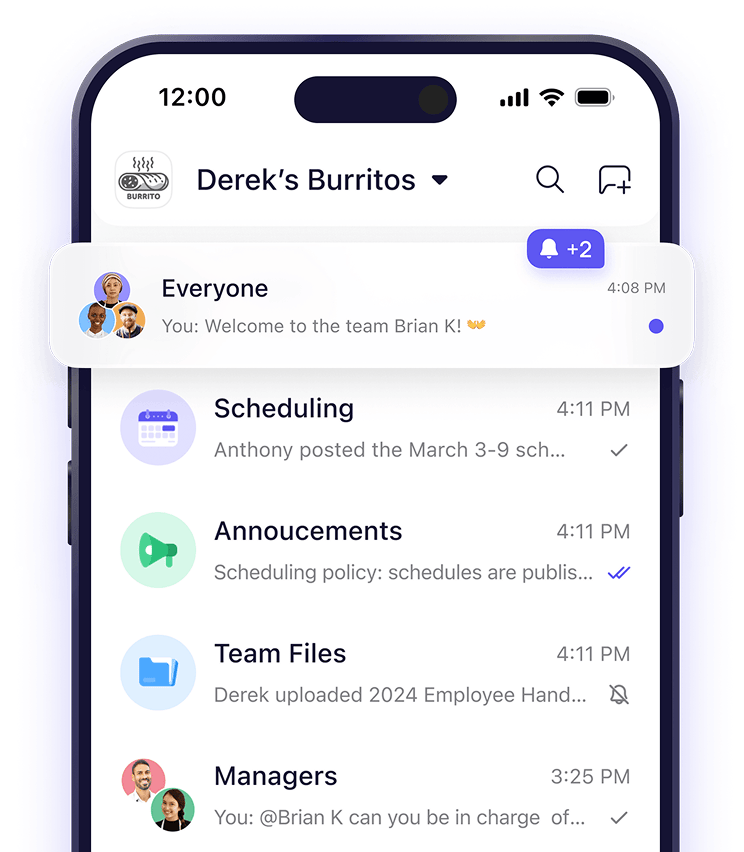
Mobile-first communication ensures your team can access benefit information from their phones during breaks. Announcements about open enrollment, benefits changes, or new programs should reach employees through channels they actually use. When everyone understands what's available and how to claim it, your investment in benefits generates the intended return in satisfaction and retention.
Building Your Benefits Strategy
Start by surveying your current team about which benefits matter most to them. You might discover priorities you didn't expect. Younger workers might value student loan assistance. Parents might prioritize flexible scheduling over additional PTO. Your specific workforce will have specific needs.
Compare your benefits package to your direct competitors for talent. You don't need to match every corporate office perk, but you do need competitive positioning within your industry and market. If every other restaurant in your area offers health insurance and you don't, that's a problem.
Budget constraints are real, especially for small businesses operating on tight margins. Phasing in benefits over time makes more sense than overpromising and underdelivering. Start with what you can afford consistently, then add more as your business grows. A reliable basic package beats an unstable generous one.
According to the Society for Human Resource Management, benefits costs average about 30% of total compensation for U.S. employers. For many shift-based businesses, that percentage runs lower because fewer benefits are offered. Finding the right balance between competitive benefits and sustainable costs requires ongoing attention to both your budget and your retention rates.
Your benefits strategy should support your broader business goals. If high turnover disrupts your operations and training costs drain your profits, investing more in benefits that improve retention makes financial sense. If your business model depends on a stable, experienced workforce, benefits become essential infrastructure rather than optional extras.