Employee experience encompasses every interaction between your workers and your organization, from the moment they apply for a job to the day they leave. For managers running restaurants, retail stores, healthcare facilities, and other frontline operations, understanding this concept can mean the difference between a stable, productive team and a revolving door of departures.
Think of employee experience as the workplace equivalent of customer experience. Just as you track how customers feel about your business, employee experience measures how your team members feel about working for you. This includes their physical work environment, the tools they use, how they communicate with coworkers and managers, the culture they operate within, and the daily challenges they face on the job.
Why Employee Experience Matters for Frontline Operations
The stakes are high when it comes to how employees perceive their workplace. According to Gallup research, 42% of employees who voluntarily left their organization in the past year report that their manager or organization could have done something to prevent them from leaving their job. For managers dealing with already-tight labor markets, this represents a significant opportunity to reduce costly turnover.
The financial impact compounds quickly. Gallup estimates that the replacement of frontline employees costs around 40% of their salary, while replacing managers costs approximately 200% of their salary. When you factor in recruiting, training, and the productivity loss during the transition period, investing in employee experience becomes a clear business decision.
Frontline workers face unique challenges that office employees never encounter. Your servers, CNAs, retail associates, and delivery drivers work irregular hours, often lack access to company email, and may never sit at a computer during their shifts. They interact directly with customers (sometimes difficult ones), navigate physical demands, and rarely have the flexibility that remote workers enjoy. These realities shape their experience in profound ways.
The Key Components of Employee Experience
Employee experience breaks down into several interconnected elements that managers can influence directly.
Physical Environment and Tools: For a line cook, this means a functional kitchen with working equipment. For a caregiver, it means having the supplies needed to provide quality care. The physical workspace communicates how much an organization values its workers. When equipment breaks and stays broken for weeks, or when uniforms are tattered and uncomfortable, employees notice.
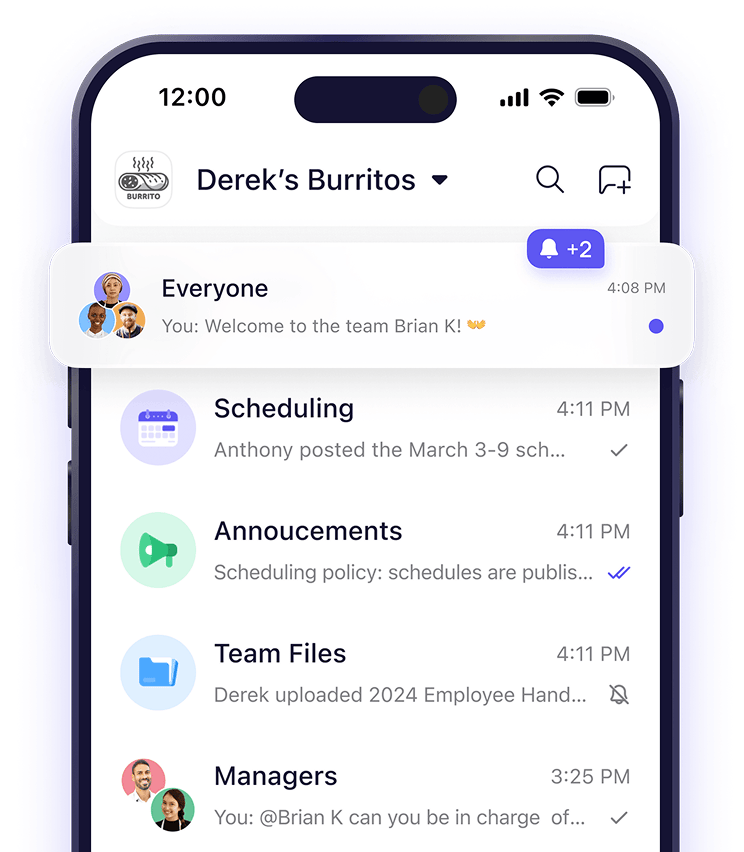
Technology and Communication: Frontline workers often feel disconnected from the larger organization because traditional communication methods like email simply do not reach them. When important updates only reach some employees while others remain uninformed, frustration builds quickly. Only 23% of frontline workers report having access to the digital tools they need to stay productive. Mobile communication platforms that put schedules, announcements, and team messages directly in employees' hands can bridge this gap significantly.
Culture and Relationships: The relationships employees have with their direct supervisors and coworkers shape their daily experience more than almost any other factor. Gallup's data shows that managers account for 70% of the variance in employee engagement. A supportive manager who provides regular feedback and treats employees with respect can transform an otherwise difficult job into one people want to keep.
Growth and Development: Even in entry-level positions, employees want to feel they are developing skills and moving forward. This does not always mean promotions. It can mean cross-training opportunities, learning new stations, or taking on additional responsibilities. According to SHRM's State of Global Workplace Culture in 2024 report, nearly a quarter of employed adults in workplaces with highly rated work culture cited a lack of career opportunities as the top reason they were seeking to leave.
Employee Experience vs. Employee Engagement
These terms are related but distinct. Employee experience describes the holistic environment you create. Employee engagement describes how employees emotionally respond to that environment. You control the experience directly; engagement is the outcome.
Consider a restaurant server. Their experience includes the scheduling system, the quality of their uniform, how managers communicate shift changes, and whether they have input on their schedule. Their engagement reflects whether they care about providing excellent service and whether they would recommend the restaurant as a place to work.
An employee can be satisfied with certain aspects of their experience (good coworkers, convenient location) while remaining disengaged from their work. Conversely, employees in challenging environments sometimes display remarkable engagement because strong leadership and culture compensate for physical or operational shortcomings.
The Frontline Employee Experience Challenge
Deskless workers represent a massive portion of the workforce, yet they have historically been underserved by workplace technology and HR practices designed for office environments. When a corporate headquarters announces a new policy via email, frontline employees may not learn about it for days or weeks.
Gallup's 2024 research estimates disengaged employees cost the global economy a staggering $8.8 trillion annually. Much of this cost accumulates in frontline industries where turnover runs highest and engagement traditionally lags behind office-based sectors.
The disconnect creates real problems. A hotel housekeeper cannot easily check their schedule on a desktop computer when moving from room to room. A retail associate working the floor cannot step away to read lengthy policy documents. A delivery driver spending all day behind the wheel of their vehicle needs information delivered differently than a marketing professional who regularly checks email at their desk.
Building Better Employee Experience in Frontline Settings
Schedule Predictability: For hourly workers, knowing their schedule in advance ranks among the most impactful experience factors. When employees cannot plan their lives because schedules change constantly or post at the last minute, stress accumulates and performance suffers. Posting schedules consistently, honoring time-off requests when possible, and avoiding last-minute changes shows respect for employees' lives outside work.
Clear Communication Channels: Every employee should know how to receive important updates, contact their manager with concerns, and communicate with coworkers about shift coverage. When communication happens through scattered text messages, sticky notes, and word-of-mouth, messages get lost and employees feel out of the loop. Centralized team communication platforms eliminate this confusion while creating a permanent record of important announcements.
Recognition That Reaches Everyone: It is easy for recognition to flow toward employees who work the same hours as management. The opener who arrives at 5 AM and the closer who leaves at midnight deserve acknowledgment too. Building recognition into your communication systems ensures that great work gets noticed regardless of when or where it happens.
Onboarding That Sets People Up to Succeed: The first days and weeks shape how employees perceive their new workplace. When onboarding consists of a stack of forms and a shift shadowing a coworker who is too busy to explain things properly, new hires feel abandoned. Structured onboarding with clear expectations, proper training, and check-ins during the first 90 days builds the foundation for a positive experience.
Feedback Loops That Work: Employees need ways to voice concerns before frustration drives them to quit. Regular check-ins (even brief ones), stay interviews, and accessible channels for raising issues help managers address problems before they escalate. When employees see that their feedback leads to action, trust deepens.
Measuring Employee Experience
Unlike engagement surveys that typically ask about emotional commitment, experience measurement focuses on the practical realities of the job. Questions might address whether employees have the tools they need, whether they understand expectations, whether communication reaches them effectively, and whether they feel their manager supports them.
For frontline teams, measurement must be accessible. A quarterly survey administered only via desktop computer will miss the majority of your workforce. Mobile-friendly pulse surveys, brief check-ins during shifts, and simple feedback mechanisms gather more representative data.
Pay attention to indirect indicators too. Turnover rates, absenteeism patterns, and how quickly open shifts get covered all reflect the underlying employee experience even without formal surveys.
The Manager's Role in Employee Experience
As a frontline manager, you sit at the intersection of organizational policies and daily employee reality. While you may not control compensation decisions or company-wide benefits, you exercise enormous influence over the experience of your direct reports.
The way you communicate, how you handle scheduling conflicts, whether you recognize good work, how you respond to mistakes, and whether you advocate for your team all shape their experience. Gallup research shows that when a manager has one meaningful conversation a week with each direct report, employees are four times as likely to be highly engaged, regardless of whether they are a frontline, hybrid or fully remote worker.
Small actions compound over time. Greeting employees by name, asking about their lives outside work, noticing when someone seems stressed, and following up on concerns you said you would address all contribute to an experience that makes people want to stay.