A job requisition is a formal internal request to fill a vacant or newly created position. It's the document a hiring manager submits to HR or senior leadership to get authorization to start recruiting. Think of it as asking permission to spend money on a new employee, complete with business justification for why the position is necessary.
For multi-location businesses, job requisitions create a structured approval process that ensures hiring decisions align with budget constraints and business priorities. According to SHRM research on recruiting, organizations with formal requisition processes report 23% faster time-to-fill rates compared to those with informal or inconsistent approval workflows.
What Information Goes in a Job Requisition
A complete job requisition typically includes the position title, department, location, reporting structure, employment type (full-time, part-time, temporary), pay range, and start date. You'll also need to specify whether this is a replacement for someone who left or a new position created to support business growth.
The business justification section is where you make your case. Explain why you need to fill this role and what happens if you don't. For a restaurant manager requisition, you might write: "Current general manager is overseeing two locations, working 70+ hours per week. Opening a third location in six weeks requires a dedicated manager to launch operations, hire and train staff, and manage daily service." That's a concrete justification that connects the hire to specific business needs.
Budget information documents the financial impact. Include the proposed salary or hourly wage, estimated annual labor cost including payroll taxes and benefits, and the budget source (which department or location bears the cost). If this is a replacement position, note the previous employee's compensation for comparison. If it's a new role, explain how the position will be funded.
The Approval Process and Timeline
Job requisitions move through an approval chain that varies by organization size and structure. In a small business, the owner might approve all requisitions personally. In larger operations, the process might involve the department manager, regional director, HR, and finance before getting final approval.
Understanding your approval timeline helps you plan recruiting activities. If requisitions typically take two weeks to approve, you need to submit yours well before you're desperate for help. According to Bureau of Labor Statistics data, the median time to fill a position was 24 days as of late 2024, but that timeline starts only after the requisition is approved.
Rush requisitions for urgent needs often require special justification. You might need to explain why you couldn't anticipate the staffing need or what business impact will occur if the position remains unfilled. Some organizations have different processes for planned hiring (annual budgeted headcount) versus unplanned hiring (unexpected turnover or growth).
How Requisitions Connect to Job Evaluation
The information you include in a job requisition feeds directly into job evaluation processes. When you propose a new position or significantly revise an existing one, HR typically evaluates where it should fit in the compensation structure. Your detailed description of responsibilities, required qualifications, and reporting relationships helps determine the appropriate pay grade.
If you're requesting a higher salary than similar positions in your organization, the requisition is where you justify that premium. Perhaps this role requires specialized certifications, covers a higher-volume location, or includes supervisory responsibilities that other comparable positions don't have. Document these distinctions clearly in the requisition to support your compensation request.
Common Requisition Mistakes That Delay Approval
Vague justifications slow down the approval process. "We're really busy and need more help" doesn't provide the concrete business case that decision-makers need. Instead, quantify the impact: "Current staff working an average of 12 hours mandatory overtime weekly. Customer complaints about service speed increased 40% last quarter. Sales data shows we're turning away approximately $15,000 in weekly revenue during peak periods due to insufficient staffing."
Inflated qualifications backfire in two ways. First, they increase the proposed compensation, making approval less likely. Second, they make it harder to actually fill the position once approved. If you list a bachelor's degree as required for a shift supervisor role that really needs someone with two years of customer service experience and leadership potential, you've artificially limited your candidate pool while increasing your labor cost.
Missing budget information forces the requisition back to you for revisions, adding days or weeks to the approval timeline. Before submitting, confirm you have accurate salary ranges, benefits costs, and budget codes. If you're unsure about any financial details, consult with HR or finance before submission rather than guessing.
Using Requisitions for Workforce Planning
Smart managers use the requisition process strategically for workforce capacity planning. If you know someone on your team is planning to relocate in three months, submit the replacement requisition now rather than waiting until they give notice. This gives you time to recruit, hire, and potentially overlap the new person with the departing employee for knowledge transfer.
Internal recruitment often moves faster than external hiring because you skip the sourcing and initial screening phases. Your requisition should indicate if you want to post internally first or conduct a simultaneous internal and external search. Some organizations require internal job posting before considering external candidates, so clarify this expectation upfront.
Seasonal hiring requires requisition planning months in advance. If you operate a beach resort that needs 30 additional staff for the summer, those requisitions should be submitted in early spring. Bulk requisitions for multiple identical positions (like hiring six servers) can often be combined into a single request rather than submitting six separate documents.
Digital Tools and Tracking
Many organizations now use HRIS platforms or applicant tracking systems that include requisition management features. These systems route requisitions to appropriate approvers, track approval status, automatically link approved requisitions to job postings, and generate reports on requisition volume and time-to-approval.
Digital requisitions reduce paperwork delays and provide transparency into where your request sits in the approval queue. You can see whether your requisition is with HR, awaiting budget approval, or ready to move to the posting phase. This visibility helps you set realistic expectations with your team about when help might arrive.
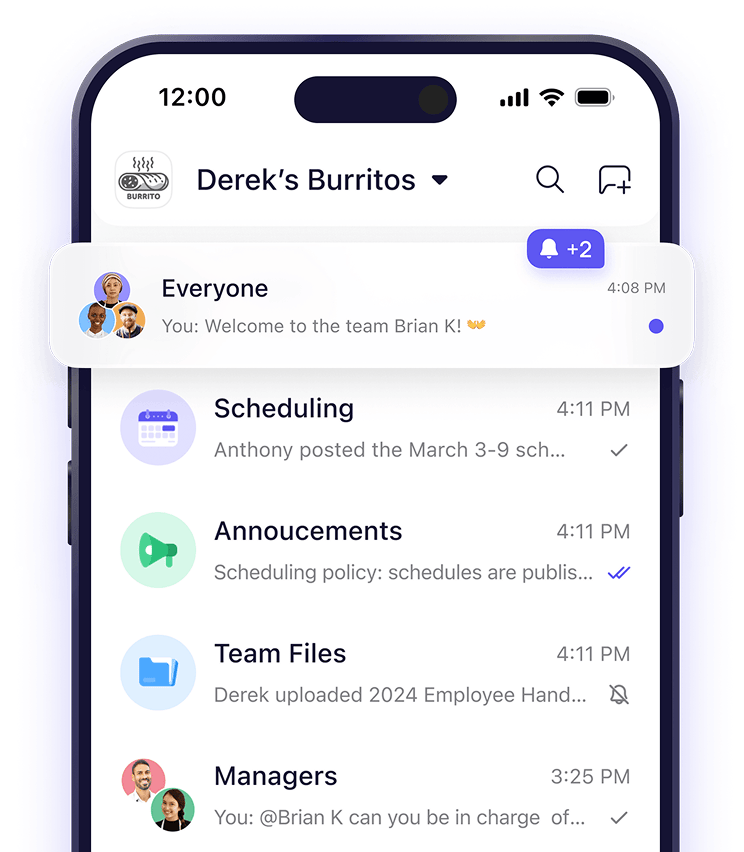
When managers across locations can easily see open requisitions and hiring progress, it supports better coordination on shift coverage and resource sharing. Communication tools that connect teams help bridge the gap between submitting a requisition and actually having a new person on the floor ready to work.
Practical Guidance for First-Time Requisitions
If you've never submitted a job requisition before, start by finding examples of previously approved requisitions for similar roles. Ask HR or experienced managers for templates or samples. Understanding what successful requisitions look like helps you format yours effectively.
Gather your supporting data before you start writing. Pull your current schedule to document overtime hours. Review customer feedback and sales data to quantify business impact. Check current salary information for comparable positions to justify your proposed compensation.
Submit your requisition earlier than you think you need to. Between approval time, posting time, interview time, and notice period for external candidates, you're often looking at 45-60 days minimum from requisition to start date for professional positions. Even for hourly roles, plan for at least 30 days.