Onboarding is the systematic process of integrating a new employee into an organization and its culture while providing them with the tools, information, and training needed to become productive members of the team. It encompasses everything from completing paperwork and learning company policies to understanding cultural norms and building relationships with colleagues.
For restaurants, retail stores, and service businesses with shift workers, an effective onboarding experience makes the difference between employees who stay and grow with the company versus those who quit within weeks.
Why Onboarding Matters
The business case for structured onboarding is compelling. Organizations with a strong onboarding process improve new hire retention by 82% and boost productivity by over 70%, according to research from the Society for Human Resource Management.
The numbers tell a sobering story: 20% of employee turnover occurs within the first 45 days of employment. Even more concerning, employees who go through poor onboarding experiences are twice as likely to look for other opportunities soon after starting.
The cost of getting it wrong is substantial. When a new server quits after one week because nobody trained her properly and she felt lost, you're back to square one with recruiting costs of $500 or more, plus the operational disruption of being short-staffed.
The benefit of getting it right: That same server receives clear training, knows who to ask for help, understands expectations, and feels welcomed. Research shows employees who experience structured onboarding are 58% more likely to remain with the organization after three years.
What Onboarding Is NOT
Onboarding isn't orientation. Orientation is the first-day paperwork session. Onboarding is the entire integration process that typically spans 90 days or longer.
Onboarding isn't just training. Training teaches specific job tasks. Onboarding includes training but also covers culture, relationships, expectations, and long-term development.
Onboarding isn't optional. It's your first and best opportunity to show new employees they made the right choice and to set them up for long-term success.
The Onboarding Timeline
First Day and Week One
The initial days set the tone for everything that follows. New employees need:
- Clear understanding of their role and responsibilities
- Introduction to team members and key contacts
- Safety training and emergency procedures
- Basic systems access (how to clock in/out, view schedule, request time off)
- Customer service standards and expectations
A well-structured first week helps employees feel welcomed rather than overwhelmed. Spreading information across multiple days improves retention better than cramming everything into a single overwhelming session.
Days 30, 60, and 90
Regular check-ins at these milestones are critical. According to Gallup, only 29% of new hires feel fully prepared and supported to excel in their role after typical onboarding. Structured touchpoints address this gap.
These reviews serve different purposes:
- 30 days: Assess initial progress, address confusion, gauge comfort level
- 60 days: Evaluate cultural fit and skill development
- 90 days: Confirm performance expectations are met and decide on continued employment
Key Components of Effective Onboarding
Structured Planning: Create a detailed onboarding checklist that covers all necessary steps from pre-arrival through the first 90 days. This ensures consistency across all new hires.
Onboarding Buddy Assignment: Pair new employees with experienced team members. Microsoft research shows that 97% of new hires who met with their onboarding buddy at least twice in their first 90 days believed their buddy helped them become productive faster.
Continuous Feedback: Don't wait until 90 days to tell someone they're doing something wrong. Provide feedback continuously from the start.
Cultural Integration: Help new employees understand the unwritten rules and values of your organization. Culture alignment often matters more than skills for long-term success.
Two-Way Communication: Use onboarding surveys to gather feedback from new hires about their experience. This shows you value their input while helping you identify areas for improvement.
Technology for Better Onboarding
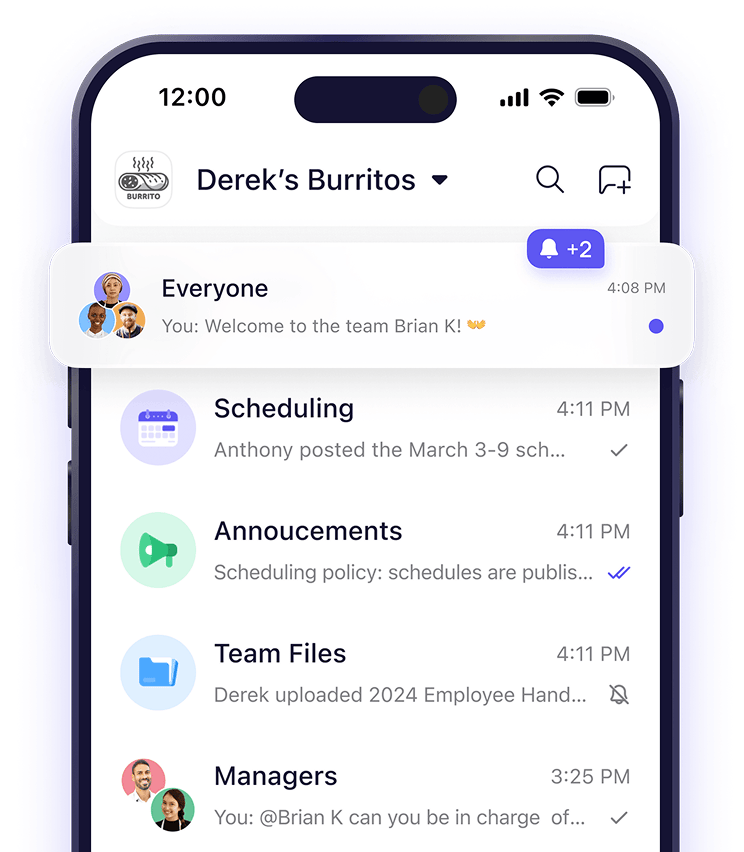
Manual onboarding means chasing down paperwork, wondering if someone completed training, and losing track of who's at what stage. Digital platforms can track document completion status, training progress, scheduled check-ins, and onboarding timeline milestones, ensuring every new hire receives the same structured experience.
The Bottom Line
Effective onboarding isn't just about getting new employees productive faster. It's about creating lasting engagement that reduces turnover, builds stronger teams, and establishes a foundation for long-term success. When employees experience great onboarding, they're 69% more likely to stay with a company for three years.
Create a structured onboarding process, provide continuous support and feedback, and check in regularly during the first 90 days. That investment in the first three months pays dividends for years.