A per diem employee is a worker you employ on an as-needed basis without a regular schedule, typically calling them in to cover shifts when regular employees are unavailable. The term "per diem" literally means "per day" in Latin, reflecting how these employees work: day by day, as needed, without guaranteed hours or ongoing commitment beyond the individual shifts they accept.
Per diem workers provide staffing flexibility that full-time and part-time employees can't offer. Fluctuating demand, unexpected absences, seasonal peaks, and special events all create situations where you need extra hands temporarily. Per diem employees fill these gaps without the commitment of adding permanent staff you might not need consistently.
The critical distinction between per diem employees and regular employees lies in the employment relationship itself. Regular employees have schedules, even if those schedules vary. They expect ongoing work and build their lives around consistent income. Per diem employees have no such expectation. They're called when needed, work if available, and understand their employment is truly at-will on a shift-by-shift basis.
Industries That Rely on Per Diem Workers
Healthcare leads all industries in per diem employment usage. Hospitals, nursing homes, rehabilitation centers, and home health agencies maintain pools of per diem nurses, certified nursing assistants, and other medical staff to cover vacancies, sick calls, and increased admissions. Patient care can't simply stop because regular staff members call out, making flexible backup staffing essential.
According to the Bureau of Labor Statistics, healthcare contains approximately 1.2 million contingent workers who work irregular schedules, many of them in per diem arrangements. These workers value the flexibility to choose which shifts they'll work, often using per diem positions to supplement primary employment elsewhere or to maintain skills while not working full-time.
Restaurants and catering businesses occasionally use per diem arrangements, though less commonly than healthcare. Banquet servers, extra kitchen help for large events, or backup staff for busy seasons might work per diem. The challenge lies in maintaining sufficient pools of trained, reliable per diem workers in an industry already facing labor shortages.
Hospitality businesses including hotels and event venues sometimes employ per diem housekeepers, event staff, or maintenance workers. Fluctuating occupancy and event schedules create variable staffing needs that per diem arrangements address.
Benefits of Per Diem Employment
For employers, the primary advantage is flexibility without fixed labor costs. You pay per diem workers only for actual hours worked, avoiding the expense of keeping staff idle during slow periods. This variable cost structure helps businesses with unpredictable demand manage labor expenses efficiently.
Lower benefits obligations reduce costs since per diem employees typically don't qualify for health insurance, retirement plans, or paid time off. While you still must comply with wage and tax laws, avoiding benefits expenses makes per diem workers less expensive per hour even when their hourly rate is higher.
Reduced long-term commitment allows you to maintain larger potential workforces without obligations. If business permanently slows, you simply call fewer per diem workers without layoffs or terminations. This flexibility protects you from overcommitting to fixed staffing levels that business realities might not support.
For workers, flexibility represents the main attraction. Per diem employees choose which shifts to accept, allowing them to accommodate other jobs, school schedules, family responsibilities, or lifestyle preferences. Parents might work per diem to stay active in their careers while raising young children. Retirees might work occasional shifts for extra income and social connection without full-time commitment. Students might pick up shifts around class schedules.
Higher hourly rates partially compensate for lack of benefits and guaranteed hours. Per diem workers typically earn $2-5 more per hour than comparable regular employees, recognizing the trade-offs they accept. This premium pricing attracts workers willing to forgo traditional employment security for greater schedule control.
Challenges and Limitations
Unreliable availability creates the biggest operational challenge with per diem staffing. Workers might decline shifts, leaving you scrambling for coverage. Unlike regular employees who you can discipline for attendance problems, per diem workers face no real consequences for turning down work. Building redundancy into your per diem pool by maintaining more workers than you'd ever need simultaneously helps mitigate this unreliability.
Quality and skill variability can affect performance. Regular employees develop deep institutional knowledge, master your specific systems, and refine their skills through repetition. Per diem workers who work infrequently might never achieve the same proficiency. Initial training time gets amortized over fewer total hours worked, making per diem workers relatively more expensive to bring up to speed.
Limited loyalty and engagement are natural when workers lack regular connection to your organization. Per diem employees might prioritize other employers where they work more consistently. They're less likely to internalize your culture or feel invested in your success. This detachment affects their motivation and potentially their performance.
Administrative complexity increases as you manage larger pools of workers with varying availability, multiple roles, and inconsistent schedules. Coordinating who to call for which shifts, tracking qualifications and certifications, maintaining communication with people who aren't regularly on-site, and handling payroll for numerous infrequent workers all create operational burden.
Legal Classification and Compliance
Per diem employees are employees under federal and state law, not independent contractors. They're subject to wage and hour protections, payroll tax withholding, and anti-discrimination laws. Misclassifying per diem workers as contractors creates serious legal exposure including back taxes, penalties, and wage claims.
The key factors distinguishing employees from contractors include your control over how, when, and where work is performed, the integration of the work into your regular business operations, and the permanency of the relationship. Even though per diem workers have flexible schedules, you typically control when and how they perform their duties, making them employees.
Minimum wage and overtime laws apply fully to per diem employees. You must track their hours and pay overtime for hours over 40 in a workweek, just like any other employee. Some employers mistakenly believe per diem status exempts workers from overtime, but employment classification (regular, part-time, per diem) doesn't affect overtime obligations.
Workers' compensation insurance must cover per diem employees. If someone gets injured on the job, your workers' comp policy responds regardless of whether they work one shift per month or forty hours per week. Failing to cover per diem workers under your policy creates significant liability exposure.
Best Practices for Managing Per Diem Staff
Maintain larger pools than you think you need. If you need one per diem worker per shift on average, keep at least four qualified people on your list. Multiple people declining shifts is common, so redundancy ensures you can actually fill vacancies when needed.
Cultivate relationships with your per diem pool through regular communication even when you're not calling them for shifts. Periodic check-ins, updates about your business, and genuine appreciation for their availability keep you top-of-mind when they're deciding which employers to prioritize.
Fair scheduling practices help retain per diem workers. While they understand the arrangement lacks guaranteed hours, repeatedly calling them at the last minute or canceling shifts after they've accepted creates frustration. As much as possible, provide advance notice of available shifts and honor commitments once workers accept.
Training and orientation should match what you provide regular employees, adapted for less frequent scheduling. Per diem workers need the same safety training, operational knowledge, and cultural onboarding. Abbreviated versions designed for their reality (they might not attend regular staff meetings, for example) ensure they're prepared despite working intermittently.
Technology simplifies per diem management significantly. Scheduling platforms designed for shift-based businesses let you broadcast available shifts to your entire per diem pool simultaneously, with workers claiming shifts first-come, first-served. This system eliminates the inefficiency of calling workers sequentially until someone says yes.
Distinguishing Per Diem Employees from Per Diem Benefits
The term "per diem" creates confusion because it describes both an employment classification and a type of reimbursement benefit. Per diem employees are workers hired on an as-needed basis as described throughout this article. Per diem benefits are fixed daily allowances paid to employees for travel expenses. These concepts are entirely separate despite sharing the same name.
Understanding this distinction prevents confusion in HR communications and payroll processing. Your per diem employees might or might not receive per diem benefits if they travel for work. The terms don't automatically connect.
Integration with Your Broader Staffing Strategy
Per diem employees should supplement, not replace, your regular workforce. A core team of committed regular employees provides stability, institutional knowledge, and consistent service quality. Per diem workers fill gaps and provide surge capacity without the burden of excess fixed staffing.
The right ratio of regular to per diem employees depends on your demand variability. Healthcare facilities with unpredictable census might maintain substantial per diem pools. Restaurants with predictable seasonal patterns might need fewer per diem workers, relying instead on seasonal employees who work regular schedules during peak periods.
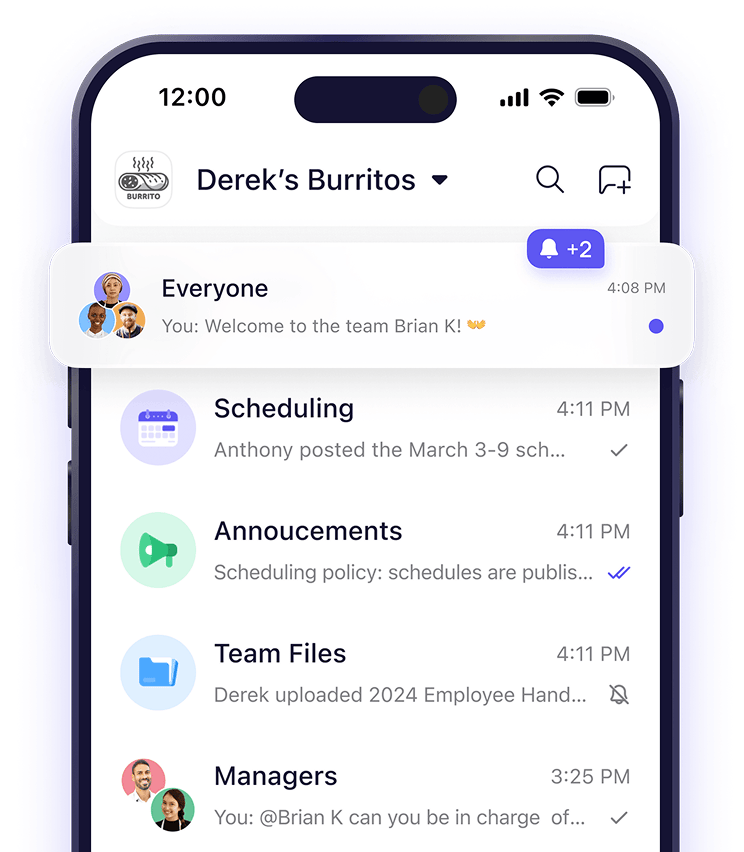
Communication tools that reach your entire workforce, including per diem workers, ensure everyone stays informed and connected. Mobile-first platforms make it easy to broadcast shift availability, send schedule updates, and maintain relationships with workers who aren't on-site regularly. When coordinating coverage and managing distributed teams with varying schedules becomes easier, per diem arrangements work more smoothly for everyone involved.