You've made the job offer. They've accepted. Now you need to pick a start date. Most managers default to "two weeks from today" or "the Monday after next" without much thought. But the start date carries strategic weight.
The start date affects training schedules, team integration, payroll cycles, and the new employee's ability to transition from their previous job. It signals how much you value them and how organized your operation is. It determines whether they start during a chaotic period or a calmer time when you can properly focus on their onboarding experience.
According to research from the Work Institute's retention report, 43% of employees who leave in their first year cite onboarding issues as a contributing factor. The start date is the first domino in the onboarding sequence. Get it wrong, and subsequent problems cascade from there.
How Much Time Between Offer and Start Date
The standard two-week notice period shapes most start date decisions, but context matters more than convention. Different situations call for different timelines.
For employed candidates: Most professionals working elsewhere need at least two weeks to give proper notice to their current employer. Some need longer, especially if they're in management positions or have client handover responsibilities. Respect this. If a candidate asks for three weeks because they want to leave their current job professionally, accommodate them. This respect for their current employer signals that you'll treat them with similar respect later.
For unemployed candidates: People between jobs might be ready to start immediately, but starting too quickly can backfire. If you say "Can you start tomorrow?" you're communicating that you're desperate, disorganized, or both. Give yourself at least a few days to prepare properly even if they're available sooner. Exception: truly urgent situations where you're short-staffed and any warm body helps, but recognize you're compromising on onboarding quality.
For students or part-time candidates: These candidates often have more flexibility and can start quickly. But consider their existing commitments. If they're finishing exams, let them finish. If they have a family vacation planned, work around it. The few days of delay are worth the goodwill and the reduced stress for the new employee.
For seasonal positions: Start dates for seasonal workers need to align with when you actually need them, not when it's convenient to onboard. If your busy season starts July 1, having seasonal employees start June 20 gives you time to train them properly before the rush hits.
Two to three weeks between offer acceptance and start date is the sweet spot for most frontline positions. It's enough time for the current employee to give notice, for you to prepare properly, and for the new hire to handle personal logistics without being so long that they lose excitement or accept another offer.
Choosing the Best Day of the Week
Monday has become the default start day, but it's not always the best choice for frontline businesses.
Monday starts: The advantage is that everyone's fresh from the weekend and supposedly ready to focus. The disadvantage is that Mondays are often chaotic catch-up days when managers are dealing with weekend issues and trying to get operations running smoothly. Your attention is divided.
Tuesday or Wednesday starts: These mid-week days often work better for frontline operations. Operations have settled into the weekly rhythm, but you're not yet racing toward the weekend rush. Managers have more mental bandwidth to focus on the new employee.
Avoiding busy days: Never start someone on your known busiest day unless absolutely necessary. If Saturdays are your restaurant's slammed day, don't start a new server on Saturday. They'll be overwhelmed, you won't have time to train them properly, and everyone will be stressed. Similarly, if you're retail and weekends are chaos, consider starting people Monday or Tuesday when you can actually give them attention.
Payroll cycle considerations: Some businesses prefer to start employees at the beginning of a pay period to simplify payroll calculations and avoid partial pay periods. This is an administrative convenience, not an operational necessity, but it can reduce confusion for both payroll and the new employee about when to expect their first paycheck.
Consider their schedule: If you're hiring someone who needs a flexible schedule due to childcare or another job, factor that into the start date and initial training schedule. Starting them on a day they've already told you they can't typically work creates immediate problems.
Timing Considerations for Multi-Location Businesses
Multi-location operations face additional complexity. Your new location manager needs to start when key people are available at multiple sites, not when someone at headquarters has time to do paperwork.
Regional manager availability: If you're hiring someone who will work with multiple locations, make sure the regional manager or district manager is available during their first week. Starting someone when their direct supervisor is on vacation is a recipe for a terrible onboarding experience.
Training location proximity: If the new employee will train at a different location than where they'll primarily work, factor in travel time and logistics. Maybe they start on Tuesday to avoid Monday traffic when they're driving to an unfamiliar location for the first time.
When to Delay a Start Date
Sometimes the timing is genuinely wrong and it's better to delay the start date, even after you've set one. This requires delicate handling, but it's better than a disastrous first week.
Legitimate reasons to delay:
- Major unexpected staffing gaps that would make training impossible
- Equipment failures or facility issues that would compromise safety or operations
- Death or serious illness in the immediate family of the hiring manager
- Severe weather or natural disasters
- Failed background checks or credential verification that takes longer than expected
How to handle delays: Call the candidate personally; don't email or text. Explain the situation honestly and apologize for the inconvenience. Offer a specific new start date rather than being vague. If the delay is your fault or due to your operations, consider offering something to make up for it (maybe they start at a slightly higher rate, or you provide a small bonus after 30 days). People are generally understanding if you're transparent and make an effort to make things right.
Red flags that delay start dates: If you're constantly delaying start dates because you're "not quite ready" or "still figuring things out," you have bigger organizational problems. The occasional delay for legitimate reasons is understandable. Chronic delays signal dysfunction that new employees will notice.
The First Day Timing
Beyond choosing the day, choose the start time strategically. Not all start times work equally well for first days.
Earlier in the operational day: Starting someone at the beginning of a shift rather than in the middle gives you more uninterrupted time for paperwork, orientation, and initial training before operations get hectic. If your restaurant opens at 11 AM, start the new employee at 9 or 10 AM so you can handle administrative tasks before the lunch rush.
Avoid shift changes: Don't start someone right when shifts are changing and chaos reigns. The outgoing shift is focused on leaving, the incoming shift is focused on catching up, and nobody has time for a new person.
Consider their energy level: Morning people and night people are real. If you're hiring someone for evening shifts, starting them at 6 AM feels punishing. Start them at a time similar to when they'll normally work so they can demonstrate their actual capabilities.
Plan for a shorter first day: The first day is exhausting for new employees even if they're not doing physically demanding work. The mental load of learning names, absorbing information, and navigating a new environment is draining. Many smart managers plan first days of 4-6 hours rather than full 8-10 hour shifts. This keeps the new employee engaged rather than overwhelmed.
Coordinating with Other New Hires
If you're hiring multiple people simultaneously, should they start on the same day or different days? The answer depends on your capacity and the positions.
Same-day starts work well when: You're hiring for a new location opening and everyone is learning together, you have a formal orientation program that makes sense to deliver once to a group, or the positions are similar and will train together anyway.
Staggered starts work better when: Your training capacity is limited and you can't properly train multiple people simultaneously, the positions are different and require different training approaches, or you want each person to feel like they're getting individual attention rather than being part of a group.
Many businesses split the difference: have new hires start the same week but on different days (Monday and Wednesday, for example). This creates efficiency in setup and paperwork while still allowing focused training time for each person.
Setting Clear Expectations About the Start Date
Once you set a start date, communicate it clearly and confirm the details multiple times. The job offer letter should specify the exact start date, day of week, time, and location. The welcome letter should repeat these details. A reminder call or text a day or two before should confirm once more.
New employees sometimes show up on the wrong day, at the wrong time, or at the wrong location. This is almost always a communication failure on the employer's side. Be redundantly clear about these basic details.
Build in some flexibility for minor start date adjustments if the candidate requests it before you've made significant preparations. If they call a week before and ask to start three days later due to a personal situation, accommodate if at all possible. If they call the night before, you're past the point where adjustments are easy, but evaluate the request on its merits.
Consider providing some “homework” for the new hire, such as downloading required software onto their devices. You may not provide credentials until the first day, but it gives you time to sort out any technical issues.
Start Date as Retention Tool
The start date, when chosen strategically, becomes a subtle retention tool. It demonstrates that you've thought about the new employee's success rather than just filling the position expediently.
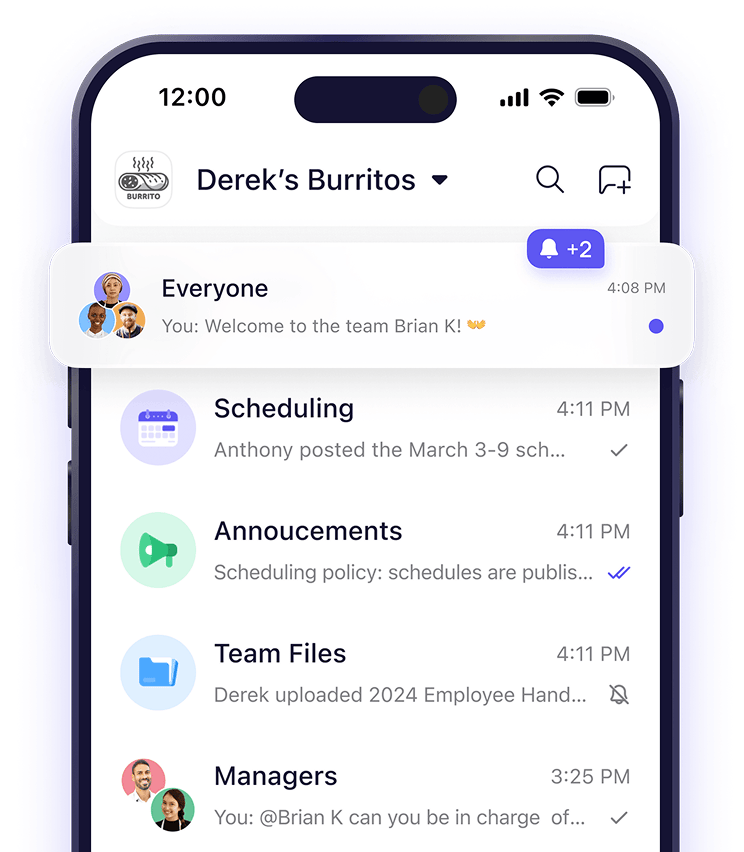
Making sure new employees can immediately connect with their team, see their schedule, and communicate with their manager from their first day amplifies the positive impact of good start date timing. The date gets them in the door; the systems keep them engaged.
Track start dates and retention by cohort to identify patterns. If employees who start mid-week have better retention than those who start Monday, you've discovered something actionable. If employees who start during slower periods stay longer than those who start during chaos, adjust your hiring timeline accordingly.
The start date is a small decision with an outsized impact on the new employee experience. Spend five extra minutes thinking about it strategically rather than picking the first available Monday, and you'll set up both the new hire and your operation for better outcomes.